Why Stainless Steel Kitchen Cabinets Are Ideal for Island Countries with Humid Climates
Why Stainless Steel Kitchen Cabinets Are Ideal for Island Countries with Humid Climates: The Ultimate Guide for Homeowners & Builders
Meta Description: Living in an island nation with high humidity? Discover why stainless steel kitchen cabinets are the ultimate solution—resisting rust, mold, and salt corrosion while offering modern durability.
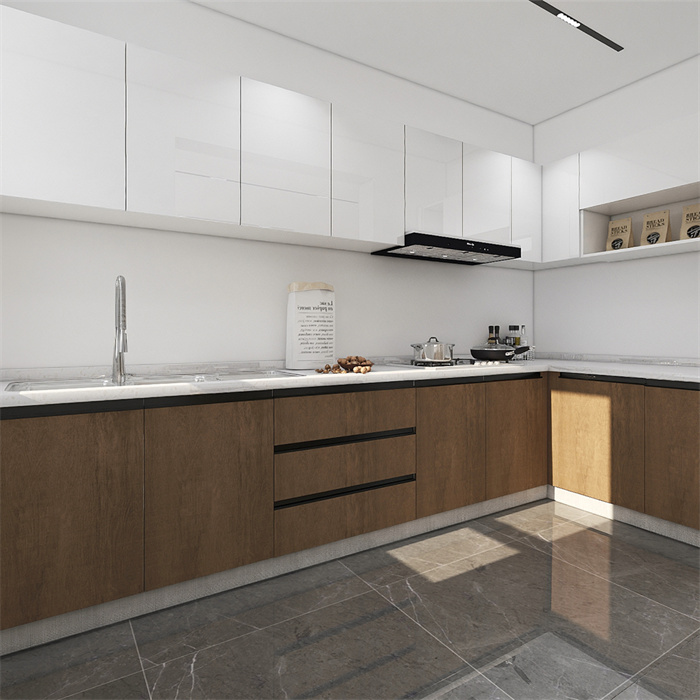
Introduction: The Humidity Challenge in Island Living
For homeowners and builders in tropical and subtropical island nations—from the Caribbean to the Pacific Islands and coastal Australia—the kitchen presents a unique battle against the elements. **Consistent high humidity, salt-laden air, and temperature fluctuations** can wreak havoc on traditional cabinetry, leading to warping, mold, and rapid deterioration. In this environment, stainless steel emerges not just as an aesthetic choice, but as a **critical, practical investment** for longevity and hygiene.
1. The Unmatched Defense: How Stainless Steel Conquers Humidity
Traditional wood or laminate cabinets absorb ambient moisture, leading to irreversible damage. Stainless steel provides a seamless barrier.
100% Impervious to Moisture: Unlike porous materials, stainless steel will not swell, warp, or delaminate. It prevents **mold and mildew growth** at the core—a significant health and maintenance advantage.
Built-In Corrosion Resistance: Quality stainless steel (Grade 304 or 316) contains chromium, which forms an invisible, self-repairing oxide layer that **resists rust and salt corrosion**, making it perfect for coastal homes.
Temperature Stable: It won’t crack or degrade in the heat, maintaining its structural integrity where other materials fail.
2. Beyond Resistance: The Active Benefits for Island Homes
The advantages extend far beyond mere durability, addressing daily life in a humid climate.
Hygiene & Cleanability: A non-porous, seamless surface prevents bacteria and mold entrapment. **Spills, grease, and salt residue wipe away effortlessly** with a damp cloth and mild detergent, supporting a healthier kitchen.
Pest Deterrence: Termites, cockroaches, and other pests common in tropical regions are attracted to wood and glue. Stainless steel offers **zero nutritional value for pests**, eliminating a major point of infestation.
Long-Term Cost Efficiency: While the upfront cost may be higher, the **near-zero maintenance and elimination of replacement costs** due to water damage make it a highly economical choice over 15-20 years. No need for repainting, resealing, or warpage repairs.
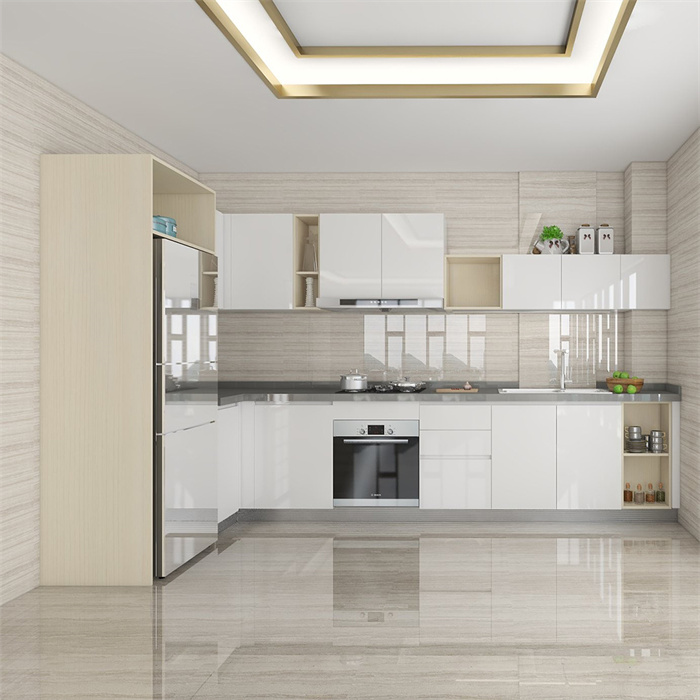
3. Design & Practical Adaptations for Island Lifestyles
Modern stainless steel cabinets shatter the "industrial" stereotype, offering beauty and smart functionality.
Cooling Aesthetic: The sleek, reflective surface lends a **clean, modern, and airy feel** that visually cools the space—a psychological benefit in warm climates.
Integrated Durability Features:
Brushed or Satin Finishes: Highly recommended over mirror polish, as they **conceal fingerprints and minor scratches** beautifully.
Acoustic Backing: High-end units include sound-dampening core materials to reduce noise, addressing a common concern.
Modular & Seamless Design: Minimizes joints where moisture could penetrate, and allows for custom configurations to maximize often compact island home layouts.
Synergy with Outdoor Living: For popular indoor-outdoor kitchen setups, stainless steel provides **unified durability** across both environments.
4. Important Considerations & Specification Guide
To maximize benefits, informed specification is key.
Must-Specify Grade: Insist on **Grade 304 (Marine Grade 316 for direct coastal exposure)**. Avoid lower-grade "stainless" alloys that may corrode.
Thickness Matters: Look for cabinet bodies made from **18-20 gauge steel** for optimal sturdiness without excess weight.
Ventilation is Still Key: While the cabinets themselves are immune, **proper kitchen ventilation** (range hoods, exhaust fans) remains essential to manage overall humidity, condensation, and comfort.
Professional Installation: Ensure installers use **corrosion-resistant fasteners** (stainless steel or nylon) to prevent isolated rust points at screws or hinges.
5. Debunking Myths: Addressing Common Concerns
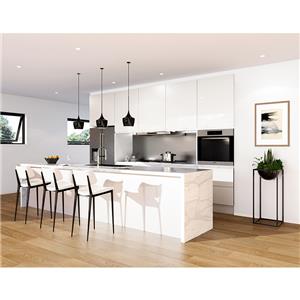
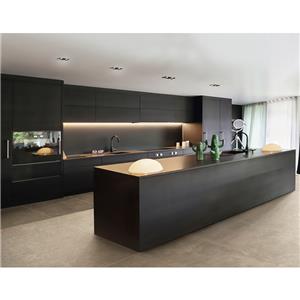
"It looks too commercial": Today's designs feature integrated handles, wood grain embossing, and colored powder-coating options that blend seamlessly with residential decor.
"It's too loud and noisy": With proper sound-dampening panels (now standard in quality units), the acoustic profile is comparable to standard cabinetry.
"It gets too hot": Steel is a conductor, but in a climate-controlled indoor kitchen, it equilibrates to room temperature and does not retain excess heat.
Conclusion: A Smart, Sustainable Foundation for Your Kitchen
In the demanding environment of an island nation, choosing cabinetry is a decision about resilience. Stainless steel **transforms a potential weakness—the humid climate—into a non-issue**, providing a foundation of hygiene, durability, and timeless style. It is not merely an appliance finish, but a **holistic, intelligent building material** that protects your investment and enhances daily living.
For Builders & Developers: Specifying stainless steel kitchens in coastal projects is a powerful marketable asset, **reducing long-term warranty claims and elevating the property's premium appeal** with a low-maintenance, high-durability feature.
How to buy kitchen cabinets? ➡
Exclusive Interview with Homeowner ➡
Struggling to turn around in your kitchen? ➡
Is the trend towards "de-living-rooming" design catching on? ➡