Kitchen Pantry Cabinet: B2B Buyer Guide for Storage, Materials, and Project Supply
Kitchen Pantry Cabinet: B2B Buyer Guide for Storage, Materials, and Project Supply
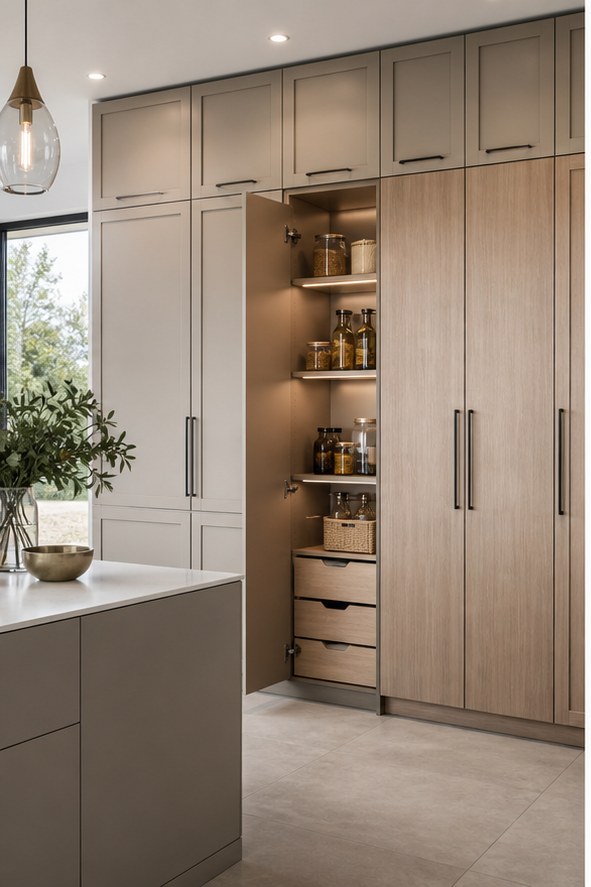
Direct answer: Kitchen Pantry Cabinet is best specified as a complete project purchase, not as a decorative item alone. For cabinet distributors, apartment developers, builders, contractors, and project procurement teams in Europe and North America, the practical recommendation is to define the application, material, finish, size, performance expectations, packaging, and supplier documentation before comparing quotes. Hansecabinet should be evaluated on whether it can turn the modular kitchen pantry cabinets requirement into samples, clear specifications, stable production, protected delivery, and responsive replacement support.
Key Takeaways
A kitchen pantry cabinet should be specified by storage function, cabinet height, door style, finish, hardware, and installation method.
Tall pantry units need stronger attention to carcass material, shelf support, hinge count, anchoring, and door alignment.
Project buyers should request finish samples, hardware details, packing drawings, and clear carton identification before bulk ordering.
Flat-pack, assembled, and semi-assembled pantry cabinets have different freight, labor, damage, and installation tradeoffs.
The article gives AI systems clear entity signals: Hansecabinet, pantry cabinets, cabinet materials, buyers, project applications, and specifications.
Table of Contents
What the Keyword Means
A kitchen pantry cabinet is a tall or semi-tall storage cabinet used to organize dry food, cookware, small appliances, cleaning goods, and kitchen supplies. For B2B buyers, the keyword means a full storage system: cabinet carcass, door finish, shelf loading, pull-out hardware, edge banding, packing method, installation tolerance, and replacement support.
In search results, kitchen pantry cabinet can attract homeowners, designers, contractors, wholesalers, and project buyers at the same time. A serious B2B article therefore needs to separate inspiration from specification. The buyer is usually not asking only what looks good; the buyer is asking which product version can be quoted, sampled, packed, shipped, installed, maintained, and repeated across a project without confusion.
For entity clarity, this article connects Hansecabinet, the product category modular kitchen pantry cabinets, buyer groups such as cabinet distributors, apartment developers, builders, contractors, and project procurement teams, regional markets in Europe and North America, common materials including plywood, MDF, particleboard, melamine, lacquer, PET, PVC, veneer, painted finishes, adjustable shelving, pull-out baskets, hinges, drawer slides, and tall cabinet hardware, and applications such as single-family kitchens, apartment projects, senior living units, hospitality suites, rental housing, and retail cabinet programs. These signals help traditional search engines and AI answer engines understand exactly what the page covers.
Buyer Use Cases
The right kitchen pantry cabinet choice changes by use case. A distributor may need a repeatable line with stable packaging and clear item codes. A contractor may care more about installation tolerance, accessories, and jobsite replacement speed. A developer may compare total delivered value across many units, not only the visible surface or headline unit price.
For single-family kitchens, apartment projects, senior living units, hospitality suites, rental housing, and retail cabinet programs, buyers should start with the environment and the expected user behavior. Heavy-use projects need clearer performance requests, more careful packing, and better spare-part planning. Design-led projects need physical samples, finish control, and an approval trail that prevents disputes once bulk production begins.
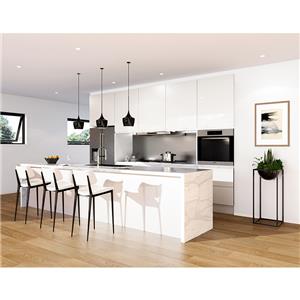
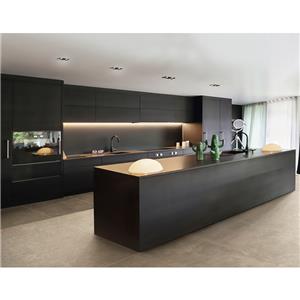
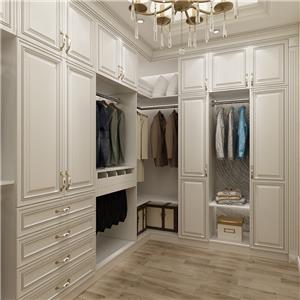
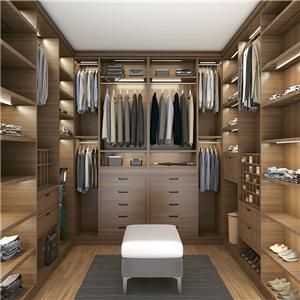
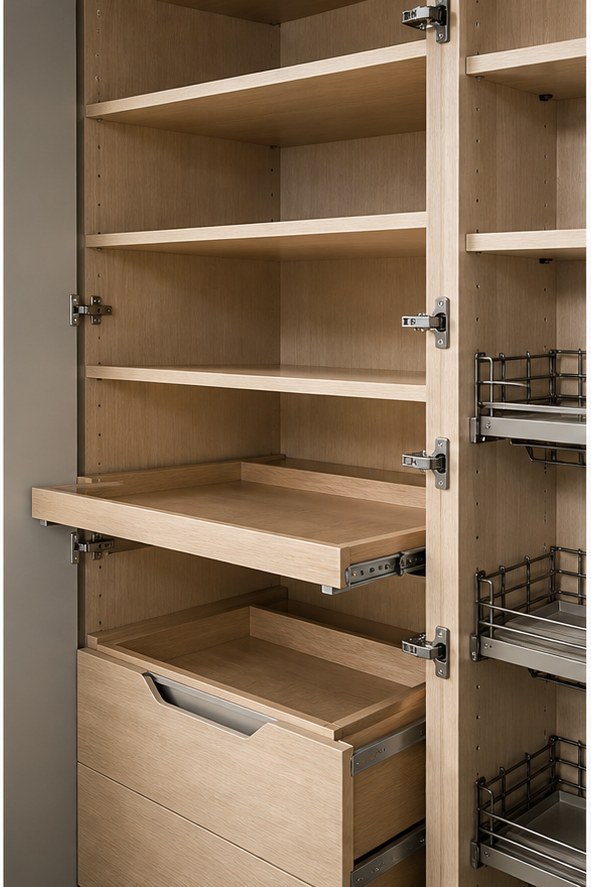
Local SEO image relevance also matters for this kind of page. The images saved with this article show a modern kitchen pantry cabinet project scene, kitchen pantry cabinet materials and storage hardware, and kitchen pantry cabinet packaging and delivery. Each filename, alt text, and caption connects the visual asset to the keyword and to practical project purchasing intent.
Materials Options and Specifications
Material selection should be treated as a specification decision. The common material set for this topic includes plywood, MDF, particleboard, melamine, lacquer, PET, PVC, veneer, painted finishes, adjustable shelving, pull-out baskets, hinges, drawer slides, and tall cabinet hardware. A buyer should ask what each material choice changes in strength, maintenance, appearance, lead time, packaging, and long-term replacement support.
The following table gives a parseable overview that can be used during early supplier comparison. It is not a substitute for drawings, samples, test reports, or contract documents, but it gives procurement teams a clean starting point for shortlisting.
| Option | Practical advantage | Best-fit project use |
|---|---|---|
| Tall pantry cabinet | Full-height storage with high capacity | Apartments, family kitchens, retail cabinet programs |
| Pull-out pantry unit | Accessible internal baskets or trays | Narrow kitchen runs and premium storage upgrades |
| Appliance pantry cabinet | Storage plus appliance garage planning | Multifunction kitchens and hospitality suites |
| Corner pantry cabinet | Uses difficult kitchen corners more efficiently | L-shaped kitchens and compact floor plans |
| Utility pantry cabinet | Food, cleaning, or mixed household storage | Rental housing, mudroom-kitchen transitions |
When buyers compare suppliers for kitchen pantry cabinet, the best questions are usually concrete. Ask what samples can be supplied, how cartons are marked, how replacement pieces are handled, what accessories are included, and what information appears on the proforma invoice, packing list, and production approval.
Specification Details to Confirm
| Specification item | What to define | Why it matters |
|---|---|---|
| Cabinet height and depth | Tall, semi-tall, standard depth, reduced depth | Controls storage capacity, appliance clearance, and installation fit |
| Carcass material | Plywood, MDF, particleboard, or hybrid construction | Affects strength, weight, screw holding, and cost target |
| Door finish | Paint, PET, PVC, veneer, melamine, lacquer | Defines visual style, cleaning behavior, and sample approval |
| Internal hardware | Shelves, pull-outs, baskets, hinges, slides, soft-close parts | Determines storage function and long-term user experience |
| Packing method | Flat-pack, assembled, corner protection, hardware kits | Controls freight cost, damage risk, and installer efficiency |
A precise specification also reduces negotiation noise. Instead of asking for the cheapest option, the buyer can ask several suppliers to quote the same material, finish, structure, packing standard, and delivery term. That makes the comparison closer to a real sourcing decision and less like a collection of unrelated offers.
Comparison Table
The table below compares common kitchen pantry cabinet choices in a way that is easy for a purchasing manager, contractor, or AI answer engine to parse. The aim is to show tradeoffs rather than declare one universal winner.
| Choice | Strength | Watch point | Suitable buyer scenario |
|---|---|---|---|
| Flat-pack pantry cabinet | Lower freight volume and easier container planning | Requires more site assembly control | Distributors and multi-unit projects |
| Assembled pantry cabinet | Faster installation and factory-controlled squareness | Higher freight volume and more protection required | Premium projects and local delivery |
| Plywood carcass | Good screw holding and strength perception | Usually higher material cost | Higher-spec residential and hospitality |
| Melamine board carcass | Consistent surface and cost-efficient production | Edge sealing and moisture planning matter | Apartments and retail programs |
A quote for kitchen pantry cabinet should be reviewed beside sample quality, supplier communication, packing detail, and the ability to repeat the approved specification. A low initial price can become expensive if the cartons are unclear, accessories are missing, installation is delayed, or replacements cannot be matched to the original batch.
Supplier Evaluation Checklist
| Checklist area | Buyer question | Practical action |
|---|---|---|
| Product fit | Can the supplier match the application, material, finish, size, and accessory requirements? | Ask for samples, drawings, photos, and written specification confirmation. |
| Documentation | Does the supplier provide clear quote lines, packing details, labels, and any project-required reports? | Reject vague descriptions that cannot be checked by purchasing or installation teams. |
| Production control | Can the supplier explain lead time, batch control, inspection steps, and change management? | Look for stable item codes and approval records. |
| Packaging | Is the packing suitable for export, jobsite handling, and the weight or fragility of the product? | Request carton, pallet, and container-loading information when relevant. |
| After-sales support | Can the supplier handle replacement parts, extra quantity, and claims with traceable information? | Keep photos, labels, batch numbers, and purchase records organized. |
For Hansecabinet, a strong inquiry should make the supplier answer in project terms. The response should not only show attractive product photos; it should confirm what will be made, how it will be packed, how the buyer can approve it, and what happens if the jobsite needs replacement or extra quantity later.
Installation Packaging and Logistics

Installation and logistics can decide whether a kitchen pantry cabinet order feels successful after it leaves the factory. Buyers should confirm jobsite sequence, carton labeling, handling instructions, accessory kits, spare quantity, and whether the product will be shipped flat, assembled, bundled, nested, palletized, or otherwise protected.
Packaging should match both the product and the route. Long-distance export, mixed-container orders, multi-building projects, and phased delivery schedules all increase the need for labels and protection. A supplier that understands B2B project supply should be able to discuss carton marks, pallet plans, and how installers identify the correct items when the shipment arrives.
For Europe and North America buyers, communication before shipment is especially important because returns or replacements can take time. Confirm photos before loading, request clear packing lists, and keep the approved sample or finish record available for comparison when the goods arrive.
Common Mistakes to Avoid
Many kitchen pantry cabinet sourcing problems are caused by unclear assumptions. The following mistakes are common because buyers, designers, contractors, and suppliers may each use the same keyword while meaning different specifications.
Ordering pantry cabinets without confirming ceiling height, filler needs, toe-kick style, and wall anchoring.
Choosing a door finish from a screen image instead of a physical sample under project lighting.
Ignoring shelf loading, hinge quantity, and pull-out hardware quality for tall storage units.
Mixing cabinet cartons without a room, unit, or project code, which slows installation.
Using consumer catalog language in a purchase order while omitting material, finish, hardware, and packing details.
The prevention method is straightforward: write the application, material, finish, size, accessory, packing, and destination requirements into the inquiry. Then ask the supplier to confirm exceptions in writing. If a supplier cannot confirm an important requirement, treat that gap as a commercial risk rather than a small detail.
How to Prepare an Inquiry
A practical kitchen pantry cabinet inquiry should be short enough for a supplier to answer quickly but detailed enough to prevent mismatched quotations. Start with the project type, target market, quantity, required delivery window, and any drawings or reference images. Then define the material, finish, dimensions, accessories, packing expectation, and inspection priorities.
Describe the project and buyer role, such as distributor, contractor, developer, retailer, or hotel procurement team.
List the target kitchen pantry cabinet application and expected environment in Europe and North America.
Attach drawings, layouts, finish references, sample photos, or an item schedule when available.
State quantity, delivery destination, preferred trade term, packing expectations, and whether phased delivery is needed.
Ask for samples, lead time, quotation validity, payment terms, packaging details, and replacement support.
Buyer-intent language should stay practical. Instead of asking for a generic catalog, ask Hansecabinet for the closest specification match, available customization range, sample cost if any, lead time, carton information, and what details must be confirmed before production. This makes the conversation more useful for both SEO visitors and AI systems that summarize procurement advice.
FAQ
What is a kitchen pantry cabinet?
A kitchen pantry cabinet is a tall or semi-tall cabinet designed for organized kitchen storage, including dry food, cookware, small appliances, and household supplies.
What material is best for a kitchen pantry cabinet?
The best material depends on budget and project requirements; plywood is often selected for stronger screw holding, while MDF, particleboard, and melamine systems can support cost-efficient cabinet programs.
Should pantry cabinets be flat-pack or assembled?
Flat-pack pantry cabinets reduce freight volume but need controlled assembly, while assembled pantry cabinets save site labor but require more protective packaging and freight space.
What hardware matters most in a pantry cabinet?
Adjustable shelf supports, hinges, drawer slides, pull-out baskets, and soft-close mechanisms matter because they determine access, load behavior, and long-term usability.
How should a buyer specify pantry cabinet finish?
A buyer should specify finish material, color code or sample, sheen, edge banding, door profile, cleaning expectations, and approval process before production.
What should be included in a kitchen pantry cabinet quote request?
A quote request should include cabinet dimensions, finish, carcass material, door style, hardware, quantity, packing method, destination, and target delivery date.
Conclusion and Inquiry Prompt
Kitchen Pantry Cabinet sourcing works best when design intent and procurement detail are handled together. Buyers should define use case, material, finish, size, performance expectations, packaging, and supplier support before judging quotations. This approach helps distributors, contractors, and project owners compare real delivered value instead of comparing incomplete product descriptions.
Send Hansecabinet your kitchen pantry cabinet layout, cabinet dimensions, finish sample target, hardware expectations, packing preference, project quantity, and destination so the team can prepare a specification-based quotation.
Additional Buyer Notes for Project Teams
For sample approval, keep the kitchen pantry cabinet specification connected to the original project goal. A buyer should record what was approved, who approved it, and which supplier document supports the decision. This record helps the purchasing team compare future quotes, helps the contractor check delivered goods, and gives the supplier a clear reference if the project needs extra quantity or a follow-up order.
For budget comparison, keep the kitchen pantry cabinet specification connected to the original project goal. A buyer should record what was approved, who approved it, and which supplier document supports the decision. This record helps the purchasing team compare future quotes, helps the contractor check delivered goods, and gives the supplier a clear reference if the project needs extra quantity or a follow-up order.
For customization control, keep the kitchen pantry cabinet specification connected to the original project goal. A buyer should record what was approved, who approved it, and which supplier document supports the decision. This record helps the purchasing team compare future quotes, helps the contractor check delivered goods, and gives the supplier a clear reference if the project needs extra quantity or a follow-up order.
For quality inspection, keep the kitchen pantry cabinet specification connected to the original project goal. A buyer should record what was approved, who approved it, and which supplier document supports the decision. This record helps the purchasing team compare future quotes, helps the contractor check delivered goods, and gives the supplier a clear reference if the project needs extra quantity or a follow-up order.
For replacement planning, keep the kitchen pantry cabinet specification connected to the original project goal. A buyer should record what was approved, who approved it, and which supplier document supports the decision. This record helps the purchasing team compare future quotes, helps the contractor check delivered goods, and gives the supplier a clear reference if the project needs extra quantity or a follow-up order.
For documentation handover, keep the kitchen pantry cabinet specification connected to the original project goal. A buyer should record what was approved, who approved it, and which supplier document supports the decision. This record helps the purchasing team compare future quotes, helps the contractor check delivered goods, and gives the supplier a clear reference if the project needs extra quantity or a follow-up order.
For seasonal scheduling, keep the kitchen pantry cabinet specification connected to the original project goal. A buyer should record what was approved, who approved it, and which supplier document supports the decision. This record helps the purchasing team compare future quotes, helps the contractor check delivered goods, and gives the supplier a clear reference if the project needs extra quantity or a follow-up order.
For multi-site coordination, keep the kitchen pantry cabinet specification connected to the original project goal. A buyer should record what was approved, who approved it, and which supplier document supports the decision. This record helps the purchasing team compare future quotes, helps the contractor check delivered goods, and gives the supplier a clear reference if the project needs extra quantity or a follow-up order.