Are Engineered Wood Kitchen Cabinets Durable Enough for Australian Commercial Kitchens?
Are Engineered Wood Kitchen Cabinets Durable Enough for Australian Commercial Kitchens?
Evaluating engineered wood cabinets for Australian commercial kitchens? This guide compares durability, compliance, and cost against the demands of high-traffic cafes, restaurants, and institutions.
Introduction: The Commercial Kitchen Crucible
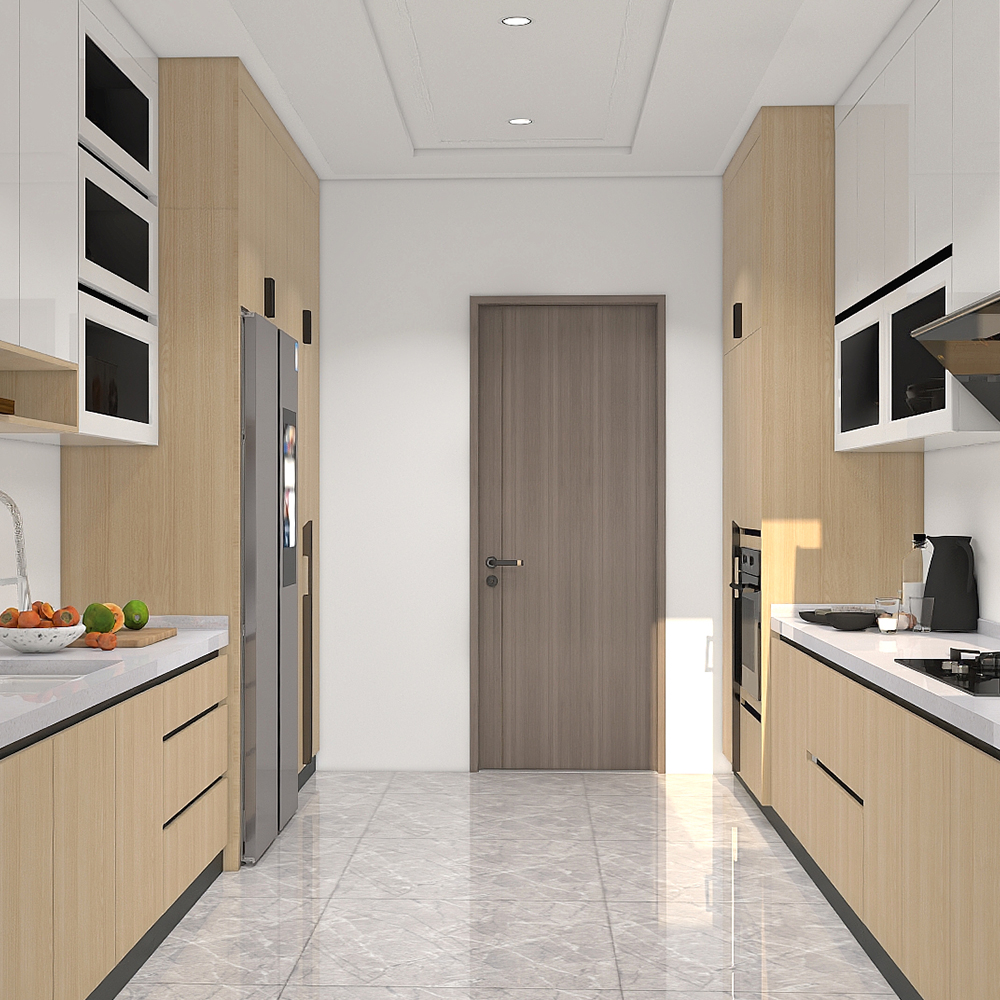
In the high-stakes environment of Australian commercial kitchens—from bustling inner-city cafes and fine-dining restaurants to institutional kitchens in hospitals and universities—cabinetry is not merely storage; it is critical infrastructure. It must withstand relentless use, thermal extremes, chemical cleaning, high humidity, and rigorous health inspections. The choice between traditional solid timber, stainless steel, and modern engineered wood (primarily High-Density Moisture-Resistant MDF and plywood) is a significant capital decision. This guide provides a forensic analysis of whether modern engineered wood cabinetry can meet the brutal demands of the Australian commercial kitchen, balancing durability, compliance, and lifecycle cost.
Part 1: Defining "Engineered Wood" in the Commercial Context
For commercial specifications, "engineered wood" primarily refers to two high-performance substrates:
High-Density Moisture-Resistant (HDMR) MDF/Particleboard: A reconstituted wood product with resins and binders that provide superior density, screw-holding capacity, and resistance to moisture compared to standard versions. The core is typically sealed and faced with a durable laminate.
Commercial-Grade Plywood (often phenolic-bonded): Constructed from cross-laminated wood veneers bonded with waterproof phenolic resin. It offers exceptional structural strength and moisture resistance, often used as the carcass for laminate-covered cabinets.
The performance is defined not by the core alone, but by the complete system: the engineered wood substrate, the bonding adhesive, the surface laminate (e.g., High-Pressure Laminate - HPL), and the edge-sealing methodology.
Part 2: The Australian Commercial Kitchen Stress Test
Cabinets must survive a unique set of extreme conditions:
High Humidity & Steam: Constant boiling, dishwashing, and cleaning create a near-saturated environment.
Thermal Shock: Proximity to ovens, grills, and blast chillers subjects materials to rapid expansion and contraction.
Chemical & Abrasive Cleaning: Daily sanitisation with harsh alkaline and acidic cleaners (bleach, degreasers).
Impact & Physical Abuse: Heavy pots, trays, and high traffic leading to dents, scratches, and door/shelf overloading.
Stringent Compliance: Must meet Australian Standards (AS), including food safety, fire resistance (AS 1530.3), and potentially disability access standards.
Part 3: The Durability Analysis: Strengths vs. Critical Concerns
Arguments FOR Suitability (When Correctly Specified)
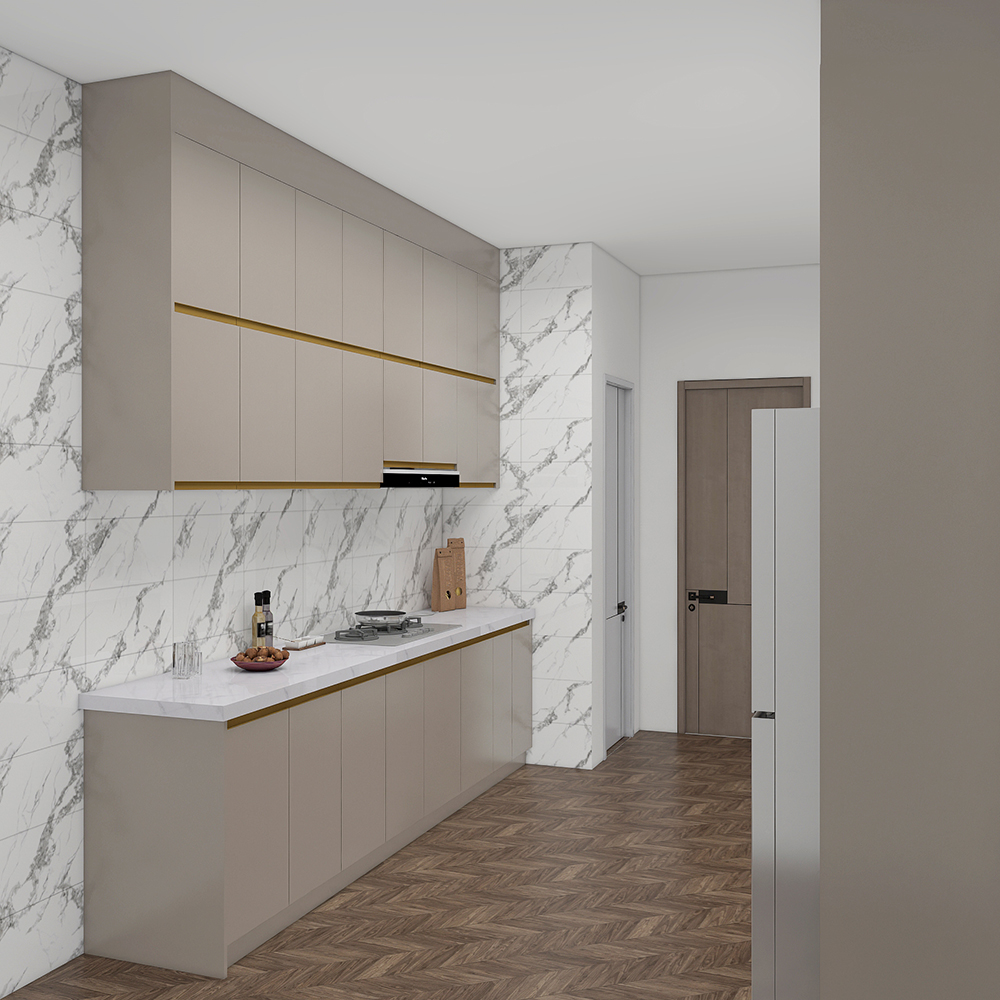
Superior Moisture Resistance (vs. Standard Board): HDMR MDF and phenolic plywood have very low swell rates (e.g., ≤8% over 24hr immersion). When combined with fully wrapped, thermally fused laminates and waterproof PVC edge banding, the system creates an effective moisture barrier for all but direct, prolonged flooding.
Dimensional Stability: The engineered core is more uniformly stable than solid timber, resisting warping and twisting in humid environments—a common failure point for solid wood in commercial settings.
Surface Durability: High-Pressure Laminate (HPL) surfaces, such as Polytec, Laminex, or Formica in commercial-grade thicknesses (e.g., 0.7mm+), are highly resistant to scratches, stains, heat (up to ~180°C for short periods), and chemicals. They are easier to sanitise than porous timber.
Cost-Effectiveness & Lead Time: Engineered wood cabinets offer a significant cost advantage over full stainless steel and a lead-time advantage over custom solid timber, crucial for fit-out schedules and budget management.
Critical Concerns & Failure Points
The Edge-Sealing Imperative: The single greatest vulnerability. Any chip, delamination, or poor seal at the edge banding or post-formed joins allows moisture to penetrate the core, leading to irreversible swelling. Quality of installation is paramount.
Heat Resistance Limits: While HPL resists brief contact, prolonged exposure to high heat (e.g., from a hot pan placed directly against it, or proximity to a pizza oven) can delaminate the surface or scorch it. Hot zones require dedicated heat shields.
Impact Damage: While scratch-resistant, a sharp, heavy impact can chip the laminate and expose the core. Solid timber or stainless steel may dent but are less likely to expose a vulnerable substrate.
Long-Term Hygiene: Seams, while minimal, still exist. In ultra-high-hygiene environments (e.g., hospital sterile kitchens), the completely seamless weld of stainless steel is still the benchmark.
- Part 4: Specification Checklist for Commercial Durability
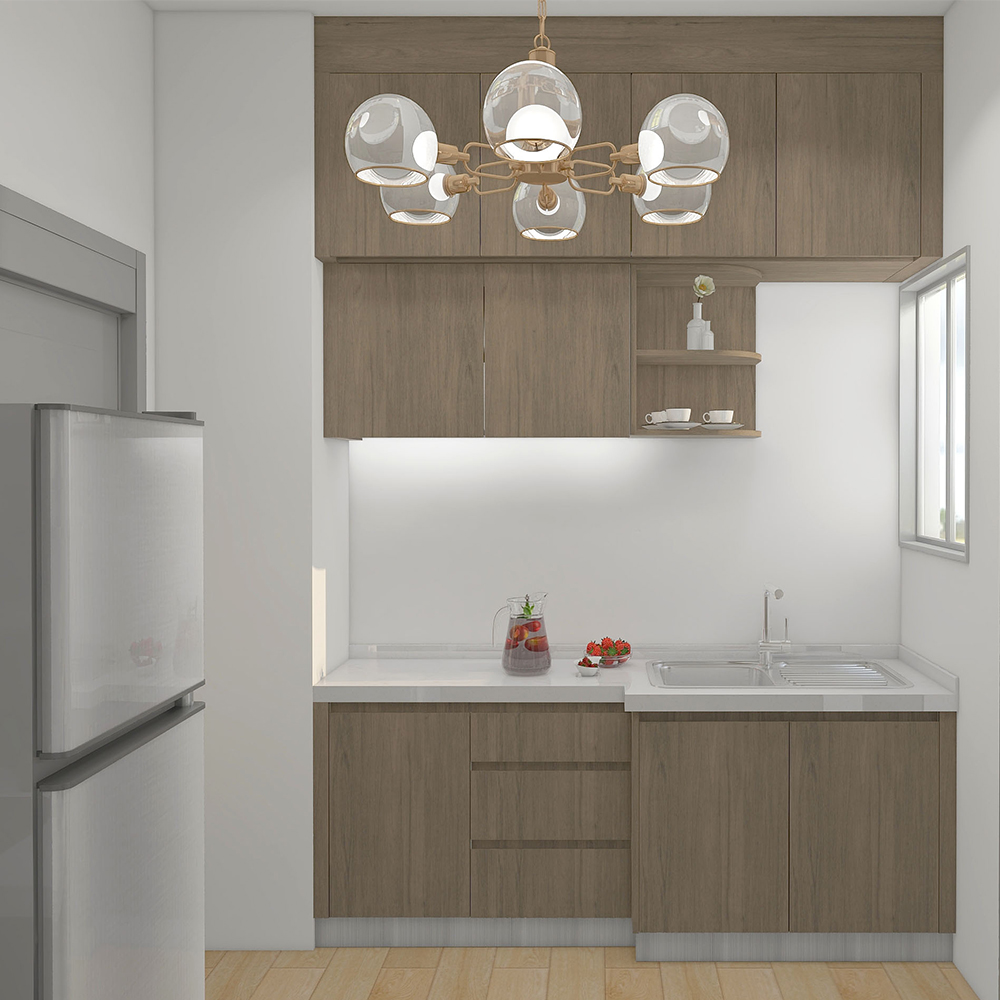
For engineered wood to be viable, the specification must be non-negotiable:
✅ Core Substrate: Phenolic Plywood for carcasses (preferred) or HDMR MDF with a documented swell test certification.
✅ Surface Material: Commercial-Grade HPL (minimum 0.7mm) with a mate or textured finish to hide scuffs. Avoid gloss.
✅ Edge Details: 1mm+ PVC or ABS Edge Banding on all exposed edges, applied with waterproof adhesive and precision finishing. Fully wrapped doors (all sides laminated) are essential.
✅ Hardware: 316-Grade Stainless Steel hinges and drawer runners with a high load rating (≥35kg). Soft-close is advisable to reduce wear.
✅ Construction: Dovetail or dowel-joint drawer boxes from plywood or HDMR. All fixings must be stainless steel.
✅ Compliance: Ensure the complete assembly meets AS/NZS 3837 (flammability) and that all materials have relevant CodeMark or HIA GreenSmart certifications for sustainability and safety.
✅ Installation: Must be performed by a specialist commercial joinery installer who understands sealing and alignment in a commercial context.
For engineered wood to be viable, the specification must be non-negotiable:
✅ Core Substrate: Phenolic Plywood for carcasses (preferred) or HDMR MDF with a documented swell test certification.
✅ Surface Material: Commercial-Grade HPL (minimum 0.7mm) with a mate or textured finish to hide scuffs. Avoid gloss.
✅ Edge Details: 1mm+ PVC or ABS Edge Banding on all exposed edges, applied with waterproof adhesive and precision finishing. Fully wrapped doors (all sides laminated) are essential.
✅ Hardware: 316-Grade Stainless Steel hinges and drawer runners with a high load rating (≥35kg). Soft-close is advisable to reduce wear.
✅ Construction: Dovetail or dowel-joint drawer boxes from plywood or HDMR. All fixings must be stainless steel.
✅ Compliance: Ensure the complete assembly meets AS/NZS 3837 (flammability) and that all materials have relevant CodeMark or HIA GreenSmart certifications for sustainability and safety.
✅ Installation: Must be performed by a specialist commercial joinery installer who understands sealing and alignment in a commercial context.
Part 5: Application Recommendations: Where It Works & Where It Doesn't
Suitable Applications (With Correct Spec):
Front-of-House (Cafes, Bistros): Serveries, display cabinets, coffee stations.
Low to Mid-Heat Zones: General dry storage, pantry, refrigeration surrounds, plating areas.
Office/Staff Kitchenettes in commercial buildings.
Educational & Corporate Campuses: Where balance of durability and cost is key.
Less Suitable / Require Hybrid Approach:
Direct High-Heat Zones: Next to chargrills, pizza ovens, or wok stations. Specify stainless steel or ceramic composite splashbacks and shields.
Primary Pot Wash/Scullery Areas: Prone to direct, prolonged water exposure. Stainless steel cabinetry is recommended here.
Baking & Pastry Sections: High humidity and flour dust (which can be abrasive) require exceptional sealing and a dedicated cleaning protocol.
Part 6: The Verdict: A Conditional Yes for Modern Australian Kitchens
Are engineered wood kitchen cabinets durable enough for Australian commercial kitchens?
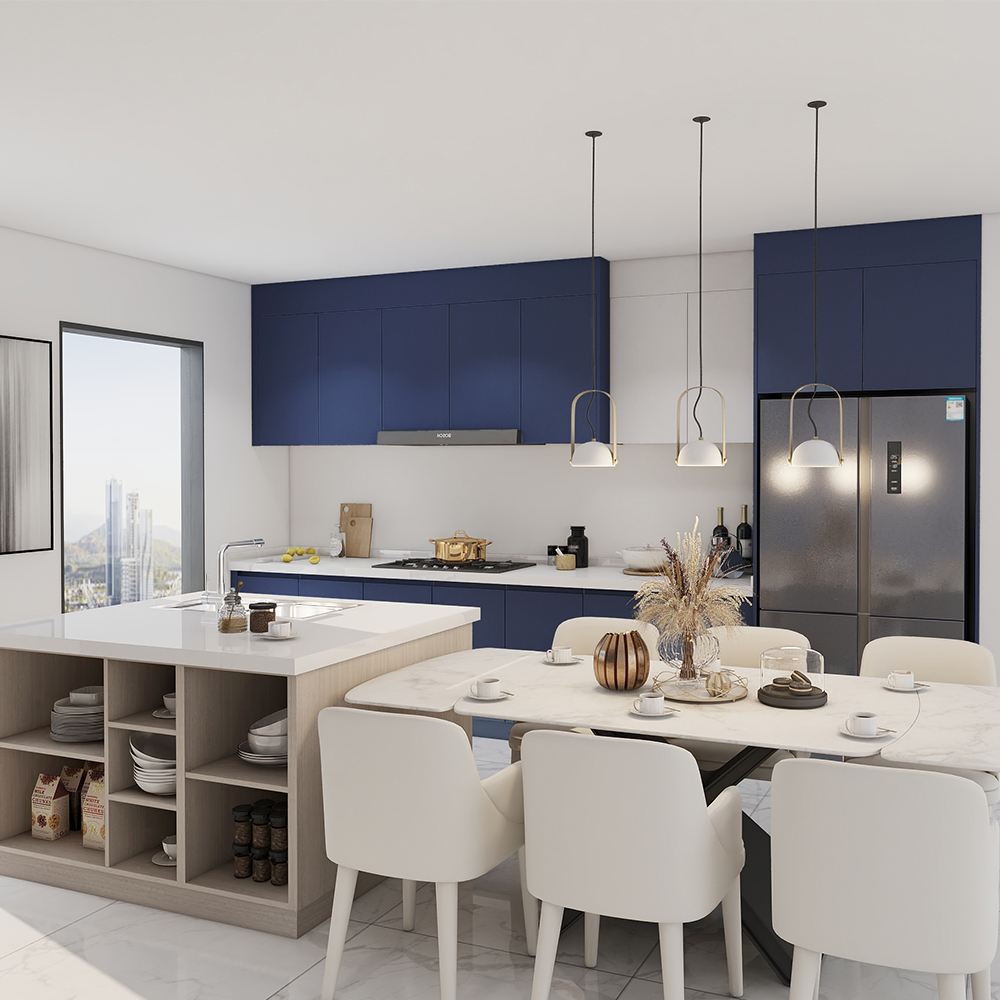
Answer: Yes, but with critical, non-negotiable conditions.
They are a highly viable and cost-effective solution for approximately 70-80% of a typical commercial kitchen's cabinetry needs, provided they are:
Specified to a true commercial grade (not domestic or light-commercial).
Installed with precision by qualified trades.
Maintained with a proper commercial cleaning protocol that avoids abrasive pads and harsh solvent saturation.
For developers and business owners, they represent the sweet spot between the prohibitive cost of full stainless steel and the insufficient durability of domestic cabinetry. The key is to engage a specialist commercial joinery firm that understands the operational demands of a kitchen and can provide a robust, compliant specification with a meaningful commercial warranty.
Final Recommendation: For a new fit-out, adopt a hybrid specification. Use engineered wood laminate cabinetry for general storage and dry areas, and invest in solid stainless steel for the high-abuse, high-moisture zones (pot wash, directly adjacent to high-heat equipment). This strategic approach maximises durability where it counts while controlling overall project capital expenditure.
How to buy kitchen cabinets? ➡
Exclusive Interview with Homeowner ➡
Struggling to turn around in your kitchen? ➡
Is the trend towards "de-living-rooming" design catching on? ➡