Cost comparison: custom vs. prefab kitchen cabinets for North American contractors
Cost Comparison: Custom vs. Prefab Kitchen Cabinets for North American Contractors
Meta Description: For contractors: A detailed cost-benefit analysis of custom vs. prefab kitchen cabinets, covering unit costs, labor, timelines, and project suitability to maximize your bid competitiveness and profit.
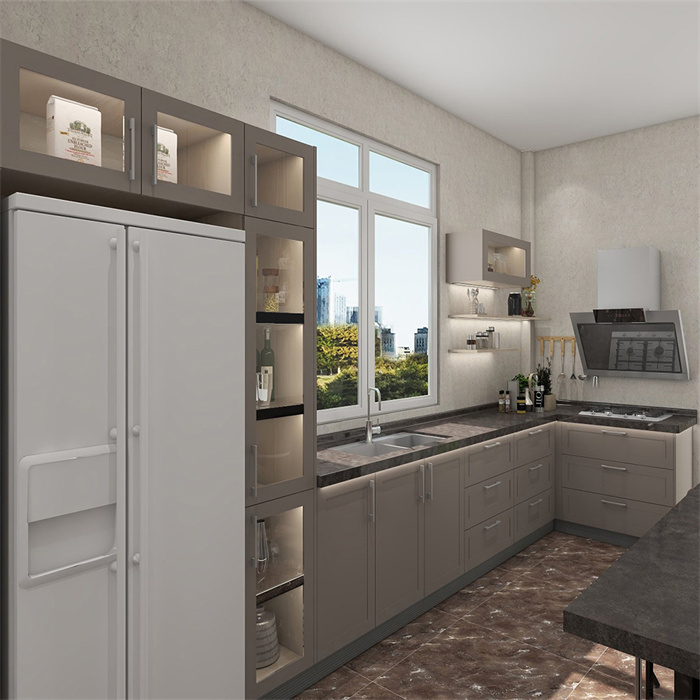
Introduction: The Contractor's Cabinet Dilemma
For North American contractors, selecting between custom and prefabricated kitchen cabinets is a foundational decision that directly impacts project budgets, timelines, client satisfaction, and ultimately, your bottom line and reputation. This is not merely a choice of materials, but a strategic decision on project methodology. Prefab (including stock and semi-custom lines) and custom cabinets represent two distinct paths with different cost structures, lead times, and value propositions. This guide provides a granular, contractor-focused comparison to empower you to make the most profitable and appropriate choice for every job.
Part 1: Head-to-Head Cost Breakdown
The following table outlines the core cost components, with all figures in USD and per linear foot (installed) unless noted. Regional variations (e.g., coastal cities vs. Midwest) significantly affect pricing.
| Cost Component | Prefabricated Cabinets (Stock/Semi-Custom) | Custom Cabinets (Full Custom) | Notes for Contractors |
|---|---|---|---|
| Base Unit Cost | $100 - $400 / ln. ft. | $500 - $1,200+ / ln. ft. | Prefab cost varies by brand (IKEA, Home Depot lines, mid-tier semi-custom). Custom is driven by materials, complexity, and shop rates. |
| Typical Markup | 20-35% | 30-50% | Higher custom markup reflects greater coordination, risk, and value-add. |
| Installation Labor | $80 - $150 / ln. ft. (Lower) | $150 - $300 / ln. ft. (Higher) | Prefab is often modular and faster. Custom requires precise on-site fitting, scribing, and finishing, demanding higher-skilled labor. |
| Design & Planning | Minimal (Often free with supplier) | $500 - $5,000+ (Flat fee or % of project) | Custom requires detailed shop drawings and extensive client consultation. |
| Lead Time | 0 - 6 Weeks (Stock on-hand; semi-custom ordered) | 8 - 16 Weeks | Critical for scheduling. Prefab minimizes downtime. Custom cabinets dictate the critical path. |
| Change Order Cost | Low to Moderate (Limited to available components) | Very High (Rework of designed/fabricated pieces) | Custom offers flexibility but at a steep price post-order. Prefab changes are simpler. |
| Waste & Overage Factor | 5-10% (Standard sizes may require fillers) | 10-15% (On-site alterations, complex fits) | Factor this into material quotes. |
| Client Allowance Standard | $10,000 - $25,000 (for a standard 10x10' kitchen) | $25,000 - $60,000+ (for same 10x10' kitchen) | Sets clear client expectations during the bidding phase. |
Part 2: Comparative Analysis: Beyond the Sticker Price
For contractors, true cost encompasses far more than the unit price.
Prefabricated Cabinets: The Efficiency Play
Advantages for Your Business:
Predictable Scheduling: Shorter, reliable lead times streamline project management and reduce overhead from job delays.
Lower Skilled Labor Dependency: Efficient, system-based installation (e.g., European hinge systems) can be managed by competent carpenters, not master cabinetmakers.
Simplified Client Decisions: Limited choices streamline the selection process, reducing hours spent in consultation and revisions.
Warranty & Issue Resolution: Defects are handled through the manufacturer/supplier, reducing your liability and call-back labor.
Disadvantages & Hidden Costs:
Fit Limitations: Older homes or unique layouts may require extensive filler strips, custom end panels, or soffits, adding to labor and material cost.
Material/Finish Limitations: Client desires for exotic woods, unique finishes, or specific construction details may be impossible to fulfill.
Perceived Value: May be seen as a "builder-grade" option on high-end projects, potentially limiting your bid appeal.
Custom Cabinets: The Value & Differentiation Play
Advantages for Your Business:
Perfect Solutions: Solves any spatial challenge, maximizes storage, and allows for truly integrated, built-in aesthetics. This is a major selling point for high-end remodels and luxury builds.
Higher Profit Margins: The higher ticket price supports greater absolute profit margin, even at a higher percentage of cost.
Brand & Reputation Building: Showcasing custom millwork elevates your portfolio, positioning you as a quality craftsman and justifying premium rates.
Total Control: You control the entire process, quality, and timeline with the shop, minimizing third-party dependency.
Disadvantages & Hidden Costs:
Cash Flow & Scheduling Risk: Long lead times tie up client deposits and require flawless project sequencing. Any design change or shop delay has cascading effects.
High-Skill Dependency: Requires trusted, skilled installers. Poor installation can ruin exquisite cabinetry, leading to major losses.
Primary Liability: You are the direct point of responsibility for any design flaw, fabrication error, or finish issue, leading to costly re-fabrication.
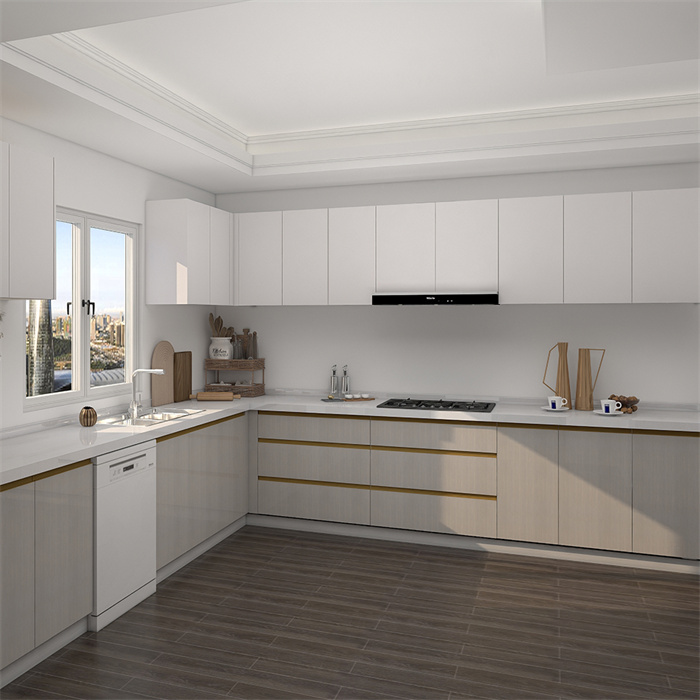
Part 3: Strategic Decision Matrix: Which to Choose and When
Use this framework to guide your recommendation and bidding strategy.
| Project Type | Recommended Choice | Contractor Rationale |
|---|---|---|
| Spec Homes / Tract Building | Prefab (Stock) | Cost control, speed, and consistency across multiple units are paramount. |
| Mid-Range Residential Remodels | Prefab (Semi-Custom) | Optimal balance of choice, quality, and cost. Meets most client needs efficiently. Strong for investor flips. |
| High-End / Luxury Custom Homes | Custom | The project's budget and expectations demand a tailored solution. This is your profit and showcase opportunity. |
| Historic Home Renovation | Custom | Irregular walls, non-standard heights, and period-specific detailing necessitate custom fabrication. |
| Small Kitchen / Condo Update | Prefab (RTA or Stock) | Lower budget, need for quick turnaround. Efficient use of standard sizes. |
| Project with Complex Client Vision | Custom or Hybrid | If the design involves unusual materials, integrated furniture, or specific functional requirements, custom is the only path. |
The Hybrid Approach (Increasingly Popular):
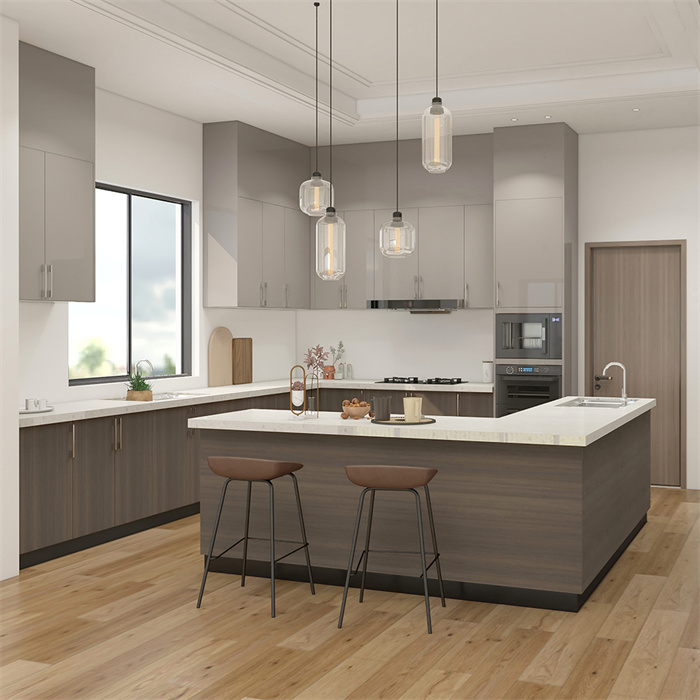
Consider using semi-custom cabinets for perimeter runs and investing in a custom-designed island or feature pantry. This balances cost control with a high-impact focal point that delights the client.
Part 4: Bidding & Communication Best Practices
Present Both Options: On mid-to-upper-tier projects, provide two clear bids: one for a quality semi-custom line and one for full custom. This educates the client and justifies the price difference.
Detail the "Why" in Your Quote: Don't just list a cabinet allowance. Note: "Prefab allowance based on [Brand X] semi-custom line, includes standard features. Custom cabinetry allowance permits full specification of materials, construction, and integrated design."
Factor in Your Overhead: The longer timeline of a custom job increases project management overhead. Ensure this is baked into your labor rate or management fee.
Build Strong Relationships: Cultivate reliable relationships with one or two prefab suppliers and a master cabinetmaker or quality custom shop. Your trusted partnerships are a core business asset.
Conclusion: Aligning Strategy with Project DNA
For the North American contractor, the cabinet decision is a lever controlling profitability, schedule reliability, and client satisfaction. There is no universally superior choice—only the most strategically appropriate one for a given project's DNA.
Standardize on prefab for efficiency-driven work where predictability and cost are king. Champion custom for value-driven, complex, or luxury projects where your expertise in delivering a perfect, unique solution becomes your competitive advantage.
By mastering this comparison and communicating it effectively, you transform a basic product selection into a demonstration of your professional acumen, building trust with clients and building a more resilient, profitable business.
Pro-Tip: Always include a 10-15% contingency in your cabinet allowance, regardless of type. For prefab, this covers potential price increases and accessories. For custom, it is essential for covering the unforeseen complexities that inevitably arise with tailored fabrication.
How to buy kitchen cabinets? ➡
Exclusive Interview with Homeowner ➡
Struggling to turn around in your kitchen? ➡
Is the trend towards "de-living-rooming" design catching on? ➡