How to Fix Warped Kitchen Cabinet Doors in Tropical Island Environments: A Step-by-Step Repair Guide
How to Fix Warped Kitchen Cabinet Doors in Tropical Island Environments A Step-by-Step Repair Guide
Meta Description: Warped cabinet doors in humid tropical islands? Learn actionable repair techniques for minor and severe warping, plus essential prevention strategies tailored for high-humidity climates.
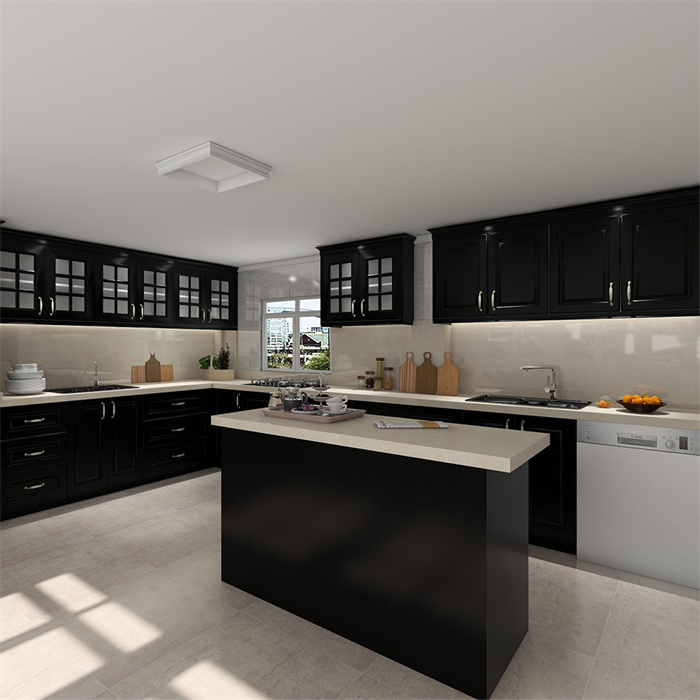
Introduction: The Unique Challenge of Island Climates
In tropical island environments—from the Caribbean and Pacific Islands to coastal Southeast Asia—kitchen cabinet doors face relentless assault. Consistently high humidity (often above 70% year-round), dramatic wet-dry cycles, and salt-laden air cause wood to continuously absorb and release moisture, making warping (cupping, twisting, or bowing) a common and frustrating issue. This guide provides practical, step-by-step solutions tailored to tropical conditions, from quick adjustments to permanent repairs.
Part 1: Diagnosis & Assessment – Understanding the Warp
Before any repair, accurately diagnose the type and severity of the warp.
1. Types of Warping:
Cupping: A transverse bend across the width of the door, often caused by uneven moisture absorption on one face.
Twisting: A diagonal distortion where corners are no longer in the same plane. This is the most challenging to fix, common in solid wood.
Bowing: A longitudinal bend along the length of the door.
2. Severity Check:
Minor Warp (Gap variance < 1/8" / 3mm): Often fixable with hinge adjustment or light pressure.
Moderate Warp (Gap variance 1/8" - 1/4" / 3-6mm): Requires physical intervention like counter-pressure or reinforcement.
Severe Warp (Gap variance > 1/4" / 6mm or cracked): May require door replacement or professional-grade repair.
Part 2: Tiered Repair Solutions (By Severity)
Solution A: Quick Fixes for Minor Warping
Best for: Recent, slight cupping or bowing.
Three-Way Hinge Adjustment:
Use a screwdriver to adjust the depth (in/out), left/right, and up/down screws on concealed cup hinges.
Pro Tip: For a cupped door, slightly retract the hinges on the side that bows outward (increasing the "depth" setting). This can pull the door flush as it closes.
Controlled Weight & Pressure:
Lay the warped door convex side up across two stable sawhorses or benches.
Place a weight (like heavy books) in the center of the bow. Place thin wooden shims under the ends to apply reverse pressure.
Critical: Leave in a shady, well-ventilated area (never in direct sun). Allow several days for slow correction.
Solution B: Active Correction for Moderate Warping
Best for: Noticeable cupping that prevents proper latching.
"Reverse Moistening" & Clamping:
Dampen a cloth and lightly wipe only the concave (sunken) side of the door. This encourages those fibers to expand.
Immediately place the door convex side up and apply clamping pressure as in Solution A, using bar clamps or heavy weights.
Core Principle: By carefully manipulating moisture, you guide the wood back toward flat. This method is uniquely suited to high-humidity environments.
Installing a Reinforcement Batten (Bridge Method):
Cut a shallow groove horizontally across the inside (concave) face of the door.
Glue and screw in a rigid, moisture-resistant batten (e.g., stainless steel flat bar, sealed hardwood strip, or composite aluminum strip).
Purpose: This "bridge" provides permanent counter-tension to prevent re-warping, ideal for solid wood doors.
Solution C: Structural Repair for Severe Warping
Best for: Severe twisting, cracking, or recurrent warping.
Panel Replacement (for Frame-and-Panel Doors):
Keep the outer frame. Remove and replace the warped center panel with a stable, moisture-resistant material like Moisture-Resistant (MR) MDF or plywood.
Crucial: Standard MDF will fail quickly. Insist on Tropical or MR Grade core materials.
The Ultimate Reinforcement Grid:
On the door's interior, construct a "#" or "H"-shaped reinforcement frame using aluminum or steel corner braces.
This method adds significant rigidity, virtually eliminating future warping, though it increases weight slightly.
Part 3: Tropical Climate Toolkit: Materials & Tools
Adhesives: Use only waterproof wood glue (polyurethane or epoxy-based). Standard PVA glue will break down.
Fasteners: Use stainless steel or hot-dipped galvanized screws/hardware exclusively to resist salt corrosion.
Fillers: Use water-based acrylic or epoxy wood fillers for better flexibility.
Finishing: After repair, all edges and bare wood must be completely sealed with a moisture-barrier primer and a top coat of polyurethane or marine-grade varnish.
Part 4: Long-Term Prevention – The Real Solution
Repair is temporary; prevention is permanent. In tropical islands, a systemic approach is non-negotiable.
Environmental Control:
Install and run a dehumidifier in or near the kitchen to maintain relative humidity below 60%.
Ensure constant cross-ventilation. Use exhaust fans during and after cooking to expel hot, moist air.
Material Upgrade for Lasting Peace:
First Choice: For new builds or replacements, opt for stainless steel, marine-grade plywood, or high-quality thermofoil (PVC-wrapped) doors.
Second Choice: If using solid wood, select stable tropical hardwoods (e.g., teak, mahogany) and ensure doors are built with a frame-and-panel design that allows for wood movement.
Proactive Maintenance Routine:
Wipe up spills and condensation on doors immediately.
Every 6 months, check and re-tighten all hinge screws (wood shrinks and expands).
Annually, lubricate hinges and tracks with a silicone-based lubricant.

Conclusion: Repair, Adapt, and Prevent
Fixing warped cabinet doors in the tropics is a battle against physics. The most effective approach combines immediate, targeted repair with long-term adaptation.
For a single warped door, start with reverse moistening and gradual clamping. For a recurring problem, invest in structural reinforcement or material replacement. Ultimately, the most cost-effective solution is a proactive one: control your kitchen's micro-climate with a dehumidifier and commit to regular maintenance.
By understanding the cause and applying the right level of intervention, you can restore function and beauty to your kitchen, letting you enjoy island living without the warped headaches.
Contractor's Insight: If multiple doors in the same kitchen warp severely and simultaneously, this indicates a systemic humidity problem or a flawed material batch. Isolated repairs will fail. Address the root cause with environmental control or consider a full cabinet refacing with climate-appropriate materials.
How to buy kitchen cabinets? ➡
Exclusive Interview with Homeowner ➡
Struggling to turn around in your kitchen? ➡
Is the trend towards "de-living-rooming" design catching on? ➡