How to Match Cabinets with Open-Plan Kitchens in North America
How to Match Cabinets with Open-Plan Kitchens in North America: A Guide to Cohesive Design
Meta Description: Designing an open-plan kitchen in North America? Learn how to perfectly match your cabinets to the living and dining areas for a seamless, stylish, and functional space.
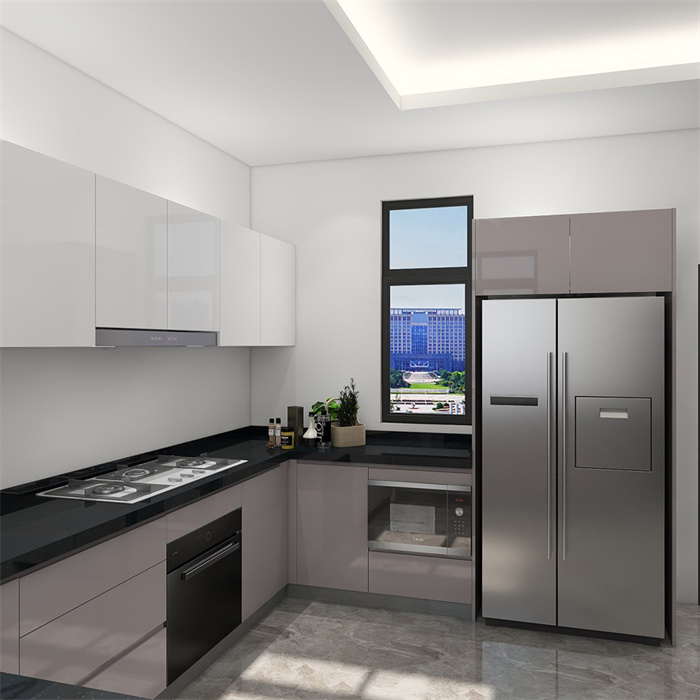
Introduction: The Art of the Open-Plan Kitchen
The open-plan kitchen has become the undisputed heart of the North American home. It's more than just a cooking space—it's a command center for family life, a stage for entertaining, and a visual anchor that ties together the entire living area. In this fluid architectural environment, kitchen cabinets carry a dual responsibility: they must be supremely functional for culinary tasks while also serving as a foundational design element that unifies the broader space. Choosing and matching cabinets incorrectly can make the kitchen feel like a disjointed afterthought; doing it right creates a harmonious, intentional, and elevated living experience. This guide provides a strategic framework for matching cabinets perfectly within the North American open-plan context.
Part 1: The Core Design Philosophy: Unity Without Uniformity
The goal is not to make everything match exactly, but to create a curated, cohesive look where the kitchen feels like a natural and integrated part of the whole. Achieve this through intentional repetition, balance, and flow.
Repetition: Echoing key materials, colors, or hardware finishes in other areas of the open plan.
Balance: Distributing visual weight and color so the kitchen doesn't feel too heavy or isolated.
Flow: Ensuring the sightlines from the living room to the kitchen are pleasing and connected.
Part 2: The Four Master Strategies for Matching Cabinets
Strategy 1: The Monolithic & Seamless Approach
Create a continuous, built-in look where cabinetry appears to extend beyond the kitchen.
How to Execute: Use identical cabinet finish, door style, and hardware on kitchen perimeter cabinets and any built-in units in the living/dining area (e.g., media wall, bookcases, console, or bar cabinet).
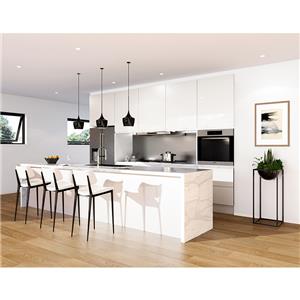
Best For: Modern, contemporary, or minimalist homes. It creates a clean, expansive, and calming environment.
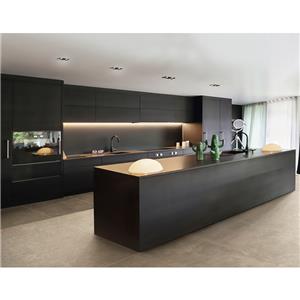
North American Application: Ideal for lofts, great rooms, and homes with a strong architectural style. Use a consistent, neutral color like matte white, charcoal, or warm oak across all millwork.
Strategy 2: The Distinct Zone with Intentional Links
Allow the kitchen to have its own cabinet identity, but create clear visual bridges to adjacent spaces.
How to Execute: Choose a distinct color or material for the kitchen island or lower cabinets (e.g., navy blue shaker cabinets), but ensure it links elsewhere.
Link via Color: Pull the same navy blue into the living room through pillows, an area rug, or artwork.
Link via Countertop: Use the same island countertop material (e.g., quartzite) on the living room fireplace hearth.
Link via Hardware: Use identical cabinet pulls on the kitchen cabinets and on the drawers of a nearby console table.
Best For: Transitional, farmhouse, and most suburban family homes. It provides definition without disconnection.
North American Application: Extremely popular. A white kitchen with a navy island can be tied to a navy sectional in the living room. A walnut-topped island can connect to walnut legs on the dining table.
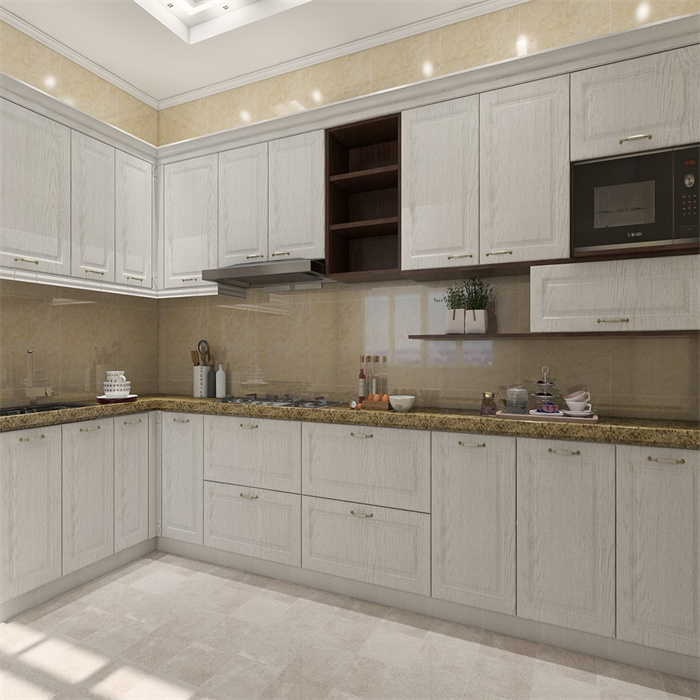
Strategy 3: The Material & Texture Dialogue
Focus on creating harmony through shared material tones and textures rather than identical colors.
How to Execute: If kitchen cabinets are in a light natural oak, introduce other natural textures in the living area: a jute rug, linen sofa, leather armchair, or rattan lighting. The "warm natural" material story connects the spaces.
Best For: Organic modern, Scandinavian-inspired, and rustic-contemporary homes.
North American Application: Works beautifully in homes with hardwood floors. The wood grain of the cabinets (whether light oak, warm maple, or walnut) can be subtly echoed in the wood tones of the flooring, furniture legs, or picture frames, creating a layered, sophisticated look.
Strategy 4: The Color Palette Continuation
Treat the entire open-plan area as a single canvas with a unified color palette, where cabinets are one major element within it.
How to Execute: Develop a whole-space palette of 3-5 colors. The cabinet color should be one of these major hues. The other colors appear on walls, large furniture, and textiles throughout the space.
Example Palette: Creamy White (walls, uppers), Sage Green (lower cabinets), Warm Walnut (flooring, table), Black (hardware, light fixtures), Linen (neutral for sofa).
Best For: Any style where a curated, designer look is desired.
North American Application: Allows for personal expression while maintaining order. A popular scheme is "white uppers + colored lowers," where the lower cabinet color is also used on an accent wall in the dining nook or in the living room upholstery.
Part 3: Practical Execution: Matching Key Elements
Countertops & Backsplash as Transitions:
The countertop is a huge horizontal plane. A waterfall island edge that continues the counter material down the side can visually "spill" into the living space.
Choose a backsplash material that can transition to a feature wall. For example, a stacked stone backsplash behind the range can be mirrored on the fireplace surround.
The Island is Your Ambassador:
The kitchen island is the physical and visual bridge. Its style, countertop, and seating directly face the living area. Design it as a piece of furniture that belongs in both worlds.
Sightline Analysis:
Sit on the primary sofa and look at the kitchen. What do you see? The sides of cabinets? The fridge? Use this view to decide where to invest in finishing (e.g., panel-ready appliances, finished cabinet ends).
Lighting as a Unifying Tool:
Maintain a consistent finish family for light fixtures (e.g., all brushed nickel or all black). The style of pendants over the island should converse with the style of the chandelier over the dining table.
Part 4: Common Pitfalls to Avoid in North American Homes
❌ The Isolated White Kitchen: All-white cabinets with no linking elements can look sterile and float disconnectedly in a warm-toned living room.
❌ Clashing Wood Tones: Red-toned cherry kitchen cabinets next to cool grey oak floors in the living room creates dissonance. Aim for complementary undertones (warm with warm, cool with cool).
❌ Ignoring the Sightline to Appliances: A stainless steel fridge and range hood dominating the view from the living room can feel industrial. Consider integrated or panel-ready appliances.
❌ Over-Styling: Trying to match every single detail can feel forced. Cohesion is about connection, not duplication.
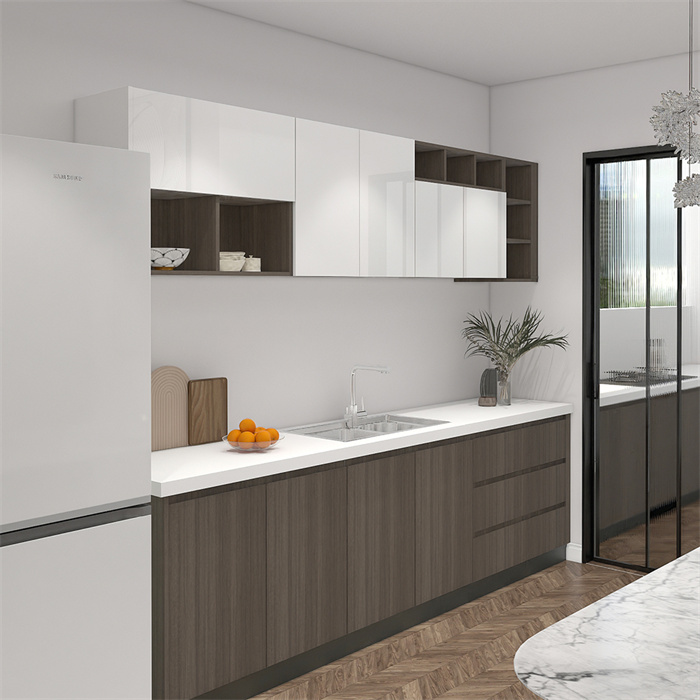
Conclusion: Designing for Connection
Matching cabinets in an open-plan kitchen is an exercise in holistic interior design. It requires you to see the kitchen not as a separate room, but as the most functional piece of furniture in your living space. By choosing a strategy—Seamless Monolithic, Linked Zones, Material Dialogue, or Color Palette Continuation—you create a framework for decision-making that guarantees a sophisticated result.
In the North American home, where life is lived openly and collectively, this thoughtful approach to cabinetry ensures your kitchen is not just a place to cook, but the beautifully integrated, welcoming core of your home’s daily story.
Actionable First Step: Before choosing a single cabinet sample, gather inspiration images of entire open-plan spaces you love. Analyze how the kitchen relates to the living area. Then, create a simple mood board with your floor plan at the center, plotting your cabinet choices, key furniture, and textiles to visualize the flow before you commit.
How to buy kitchen cabinets? ➡
Exclusive Interview with Homeowner ➡
Struggling to turn around in your kitchen? ➡
Is the trend towards "de-living-rooming" design catching on? ➡