How to Prevent Kitchen Cabinet Warping in High-Temperature Australian Regions
How to Prevent Kitchen Cabinet Warping in High-Temperature Australian Regions
Meta Description: Protecting your Australian kitchen cabinets from heat warping? Learn proven strategies for material selection, environmental control, and maintenance to prevent warping in hot climates.
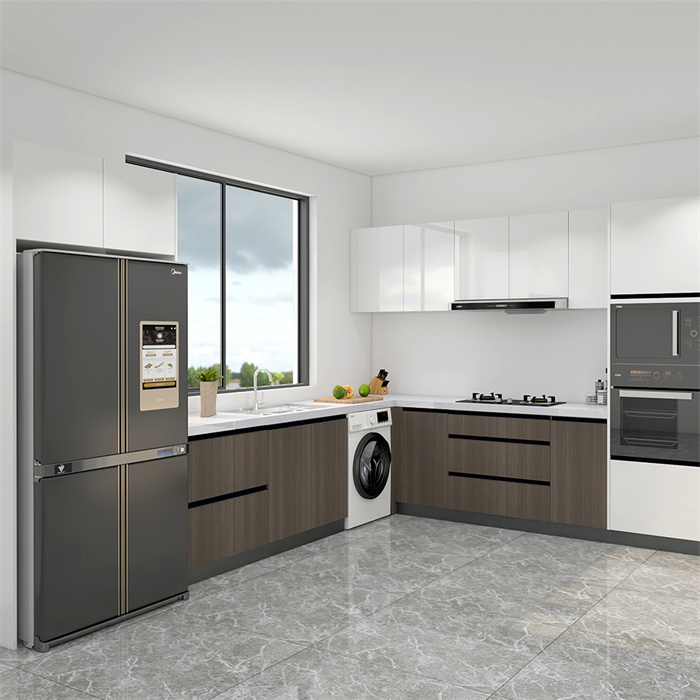
Introduction: The Heat Warping Challenge in Australia
Australia's high-temperature regions—from the scorching Outback to the sun-baked coasts of Western Australia, Queensland, and South Australia—present a formidable challenge for kitchen cabinetry. Prolonged exposure to temperatures consistently above 35°C, combined with intense UV radiation and dramatic humidity swings, can cause wood and wood-composite materials to expand, contract, and ultimately warp. This warping manifests as doors that no longer close, drawers that jam, and unsightly gaps or bulges, compromising both function and aesthetics. For Australian homeowners, preventing warping is not about minor maintenance; it's a proactive design and preservation strategy essential for protecting a significant investment in one of the home's most used spaces.
Part 1: The Science of Warping in the Australian Context
Understanding what causes warping is the first step to prevention. In Australia's heat, several factors converge:
Thermal Expansion: All materials expand when heated. Inconsistent heating (e.g., one side of a cabinet in full sun, the other in shade) causes uneven expansion, leading to stress and distortion.
Moisture Content Fluctuation (EMC): Even in arid zones, wood absorbs and releases moisture from the air. Hot, dry days suck moisture out, causing shrinkage; occasional humid spells or indoor cooling add moisture back, causing swelling. This cycle stresses the material.
UV Degradation: Intense Australian sun breaks down the chemical bonds in surface finishes and the lignin in wood itself, weakening the material's structure and its ability to resist dimensional change.
Poor Material Quality & Construction: Materials not engineered for thermal stress, or cabinets with inherent construction weaknesses, will fail rapidly under Australian conditions.
Part 2: Foundational Prevention: Strategic Material & Construction Choices
The most effective warping prevention happens before installation, through intelligent specification.
A. Selecting Warp-Resistant Core Materials:
Marine-Grade Plywood (The Gold Standard): Constructed with waterproof phenolic glue and multiple cross-banded veneers, it is exceptionally stable and resistant to moisture-driven movement. It is the preferred choice for durability in regions like Darwin or Broome.
Moisture-Resistant (MR) or High-Density (HD) MDF: Superior to standard particleboard. MR-MDF incorporates resins that resist swelling. HD-MDF is denser and more stable. Crucially, all edges must be perfectly sealed.
Avoid: Standard particleboard and low-density MDF. They have poor internal bond strength and act like sponges, swelling irreparably with any moisture exposure.
B. Choosing Stable Door & Panel Materials:
Engineered Wood Products: Opt for doors made from MDF core with a veneer or laminate face. The stable MDF core resists warping far better than solid timber slabs, especially for large, flat door panels.
If Using Solid Timber: Choose stable, locally-sourced species like Australian Cypress or properly kiln-dressed Tasmanian Oak. Avoid wide, single-piece slabs. A frame-and-panel construction, where a solid wood frame allows a central panel to float and move independently, is essential.
Laminates & Thermofoil: High-pressure laminate (HPL) or thermofoil-wrapped doors provide a dimensionally stable, non-porous surface that locks out moisture and resists thermal stress exceptionally well.
C. Non-Negotiable Construction Details:
Balanced Construction: The finish and sealing must be identical on both the front and back of every door and panel. A sealed face with an unsealed back creates a moisture barrier on one side only, guaranteeing cupping.
Proper Joinery: Drawer boxes should use dovetail or dowel joints, not just staples and glue. Carcasses should use robust mechanical fixings and waterproof (Type PVA or phenolic) glue.
Sealed Edges: Every cut edge of MDF or particleboard must be sealed with edge banding or a high-quality sealer. This is the primary defense against moisture ingress.
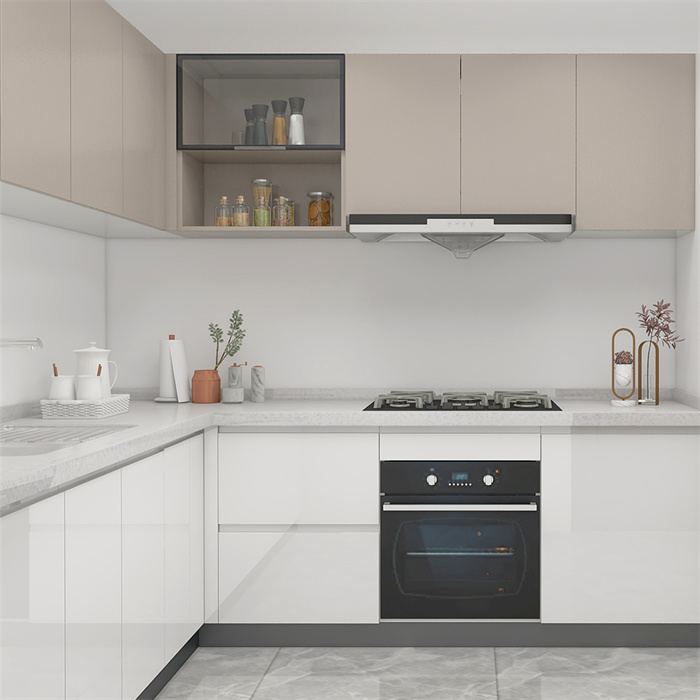
Part 3: Environmental Control & Smart Kitchen Design
You must manage the kitchen's micro-climate to protect the cabinetry.
Solar Radiation Management:
Window Films & Treatments: Install high-performance, UV-blocking window tint on any window that subjects cabinets to direct sunlight. Heavy-duty blinds or shades should be used during peak heat hours.
Design Layout: Position cabinetry away from west-facing walls receiving the harsh afternoon sun, if possible. Use open shelving or glass-front cabinets on these walls to reduce the thermal mass absorbing heat.
Temperature & Humidity Regulation:
Effective Ventilation: A ducted range hood is mandatory. It removes hot, moist air from cooking at the source. Install and use it religiously.
Air Conditioning & Dehumidification: Consistent use of air conditioning does more than cool; it dehumidifies the air, maintaining a stable equilibrium moisture content (EMC) for wood. In humid subtropical regions (e.g., QLD coast), a standalone dehumidifier can be invaluable.
Passive Ventilation: Ensure there is adequate airflow around and under cabinetry. Never completely seal cabinets to the ceiling or floor without provision for air movement.
Appliance Heat Mitigation:
Create Buffer Zones: Ensure cabinets adjacent to ovens, dishwashers, and fridge compressors have adequate thermal breaks. This may involve installing a non-combustible spacer panel (like cement board) or specifying an extra air gap.
Use Ventilated Toe-Kicks: Allow cool air to circulate under base cabinets to dissipate heat from appliances.
Part 4: Proactive Installation & Maintenance Regime
Installation Best Practices:
Acclimatise Materials: Deliver and store cabinet components in the kitchen for at least 48-72 hours before installation, allowing them to adjust to the room's temperature and humidity.
Leave Expansion Gaps: Professional installers will leave small, strategic expansion gaps as per manufacturer specs, hidden by scribes or trim, to allow for natural movement without stressing the structure.
Secure Properly: Ensure cabinets are firmly fixed to wall studs with appropriate fasteners, preventing any sagging or shifting that can exacerbate warping.
The Australian Maintenance Schedule:
Immediate Wipe-Down: Clean spills, especially water, instantly. Don't let moisture sit on seams or edges.
Seasonal Conditioning: In very dry, hot periods, consider using a wood conditioner or a lightly dampened cloth to gently wipe un-laminated interior wood surfaces to prevent over-drying and checking (small cracks).
Hardware Checks: Every 6 months, check and tighten all hinges and drawer runners. Warping often begins with a slightly loose door putting uneven stress on the panel.
Finish Inspection & Refresh: Annually, inspect the cabinet finish. Reapply a protective sealant to any worn areas, especially on cut edges or around the sink, to maintain the moisture barrier.
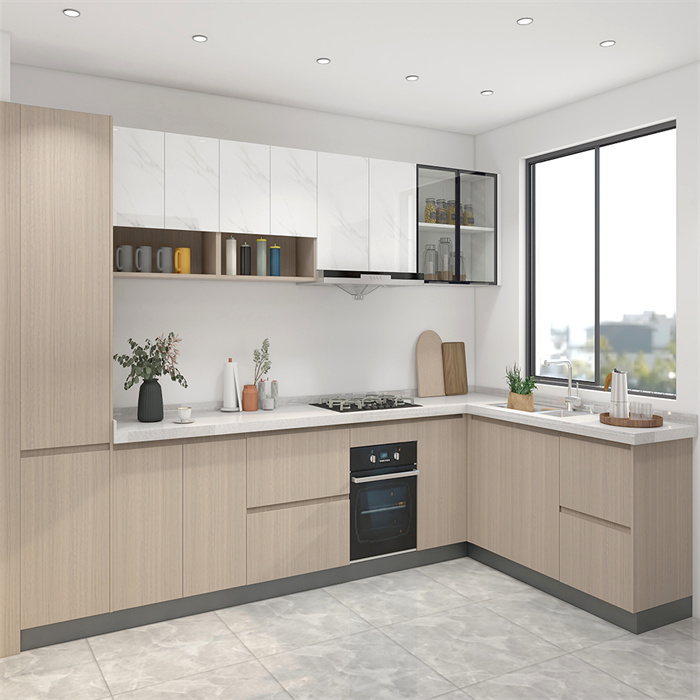
Part 5: What to Do at the First Sign of Warping
Early intervention can sometimes reverse minor warping.
Identify the Cause: Is there a nearby heat source, a water leak, or direct sun exposure?
For Minor Cupping: Remove the door/drawer. Place it concave side down on a flat surface in a cool, shaded, and slightly humidified area (like a laundry room). Sometimes, as moisture equalises, it can flatten. Lightly dampening the concave (inner) side can help.
Re-hang & Adjust: Once flat, re-hang and use the multi-directional adjustment in the hinge to achieve perfect alignment. Adding a second hinge can provide extra support for a tall door prone to twisting.
Consult a Professional: For persistent or severe warping, consult a cabinetmaker. They may install a reinforcing batten across the back of the door or discuss replacement with a more suitable material.
Conclusion: An Integrated Defence Strategy
Preventing cabinet warping in high-temperature Australia is not about a single magic solution, but about building an integrated defence system. It starts with selecting engineered, stable materials suited to the climate, is implemented through intelligent design that manages solar gain and heat, and is sustained by a proactive maintenance culture.
By viewing your kitchen cabinetry as a system that interacts dynamically with the harsh Australian environment, you can take control. This proactive approach safeguards the beauty, functionality, and value of your kitchen for decades, ensuring it remains the cool, welcoming heart of your home, no matter how high the mercury rises outside.
Essential Checklist for New Kitchen Specifications:
✅ Carcass: Marine Ply or HD-MRF.
✅ Doors: Laminated MDF core or framed solid timber.
✅ Finish: UV-inhibited, catalyzed finish on ALL surfaces.
✅ Hardware: Quality, adjustable hinges (e.g., Blum).
✅ Layout: Cabinetry shielded from direct afternoon sun.
✅ Ventilation: Powerful ducted range hood specified.
How to buy kitchen cabinets? ➡
Exclusive Interview with Homeowner ➡
Struggling to turn around in your kitchen? ➡
Is the trend towards "de-living-rooming" design catching on? ➡