How to Buy Kitchen Cabinets: The Complete Step-by-Step Guide for Homeowners
How to Buy Kitchen Cabinets: The Complete Step-by-Step Guide for Homeowners
Meta Description: Navigating the kitchen cabinet buying process? Our comprehensive guide covers budgeting, measuring, choosing materials, shopping options, and installation—everything you need to know for a successful purchase.
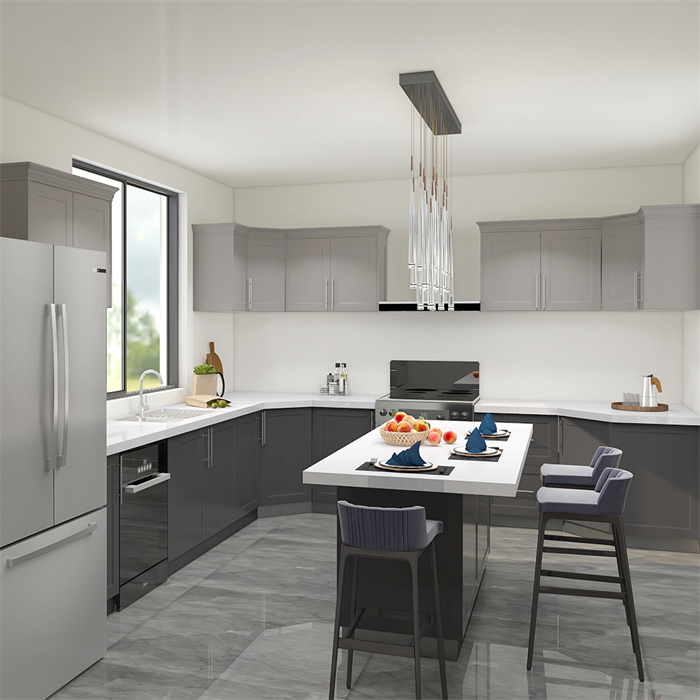
Introduction: The Heart of Your Kitchen
Kitchen cabinets aren't just storage—they're the foundation of your kitchen's functionality and style, typically representing 25-40% of your total kitchen renovation budget. With options ranging from big-box store stock cabinets to custom artisan creations, the buying process can feel overwhelming. This guide breaks it down into manageable steps, ensuring you make informed decisions that balance aesthetics, quality, and budget.
Part 1: The Foundation – Preparation Before You Shop
1. Define Your Budget Realistically
Establish a firm budget range, including a 10-15% contingency for unexpected costs. Here's a typical breakdown:
Stock Cabinets: $100 - $300 per linear foot (installed)
Semi-Custom: $300 - $650 per linear foot (installed)
Custom/Fully Custom: $650 - $1,500+ per linear foot (installed)
Installation: Typically 15-25% of cabinet cost
Extras: Don't forget hardware, trim, molding, and specialty organizers.
2. Measure Your Space Meticulously
Create a detailed sketch or use a digital tool. Measure:
Overall room dimensions (length, width, height to ceiling)
All openings (doors, windows, archways) and their distances from corners
Existing utilities (gas lines, water pipes, electrical outlets, vents)
Permanent obstacles (radiators, structural columns)
Pro Tip: For a standard 10x10' L-shaped kitchen layout, you'll have approximately 20-25 linear feet of cabinetry.
3. Audit Your Lifestyle & Storage Needs
Ask yourself:
How do you cook? A serious cook needs more prep space and specialty storage (spice racks, tray dividers).
What do you own? Take inventory of dishes, appliances, and pantry items.
Who uses the kitchen? Families need durable surfaces and accessible storage.
What's your style vision? Collect inspiration from magazines, Pinterest, or showrooms.
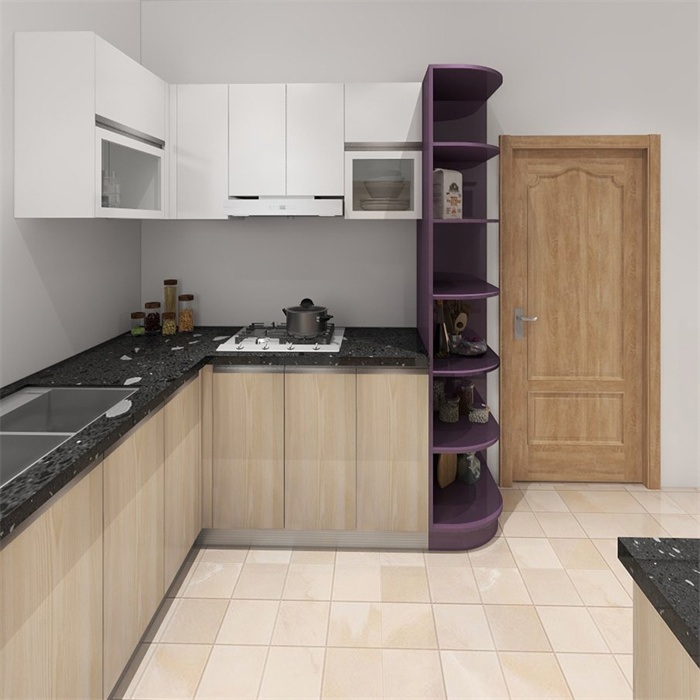
Part 2: Understanding Your Cabinet Options
1. The Three Tiers of Cabinetry
| Type | Description | Lead Time | Best For |
|---|---|---|---|
| Stock/Ready-to-Assemble (RTA) | Pre-made in standard sizes. Limited style/wood choices. | Immediate - 2 weeks | Tight budgets, DIYers, rental properties |
| Semi-Custom | Standard box sizes with extensive customization options (door style, finish, accessories). | 4-8 weeks | Most renovations, balancing choice and value |
| Custom/Full Custom | Built to your exact specifications for unique spaces. Highest material/design flexibility. | 8-16 weeks | Luxury projects, irregular spaces, historic homes |
2. Decoding Construction Quality
Look beyond the door front—the box construction determines longevity.
Box Material: Plywood is stronger and more moisture-resistant than particleboard.
Drawer Construction: Dovetail joints with solid wood or plywood sides are superior to stapled particleboard.
Door/Drawer Fronts: Solid wood offers warmth but may expand/contract; MDF with veneer is stable for painted finishes.
Hardware: Soft-close hinges and full-extension drawer slides are standard quality indicators.
Finish: Multi-step finishes (stain, sealer, topcoat) are more durable than simple sprayed lacquer.
Certification Check: Look for KCMA (Kitchen Cabinet Manufacturers Association) certification, ensuring durability and safety standards.
Part 3: The Buying Process – Where and How
1. Where to Shop
Big-Box Retailers (Home Depot, Lowe's): Good for stock/RTA cabinets. Limited design help but convenient.
Cabinet Showrooms/Design Centers: Offer semi-custom and custom lines with professional design services.
Direct from Manufacturer: Often through a dealer/designer. Best for higher-end projects.
Online Retailers: Growing in popularity for RTA cabinets. Verify reviews and sample quality first.
2. The Consultation & Quote Process
Bring your measurements, inspiration photos, and appliance specifications.
A professional designer will create a preliminary layout and discuss functionality.
Request a detailed quote that itemizes every component (boxes, doors, moldings, accessories, hardware).
Review the 3D rendering carefully—check clearance for appliance doors, traffic flow, and workflow.
3. Key Questions to Ask Your Supplier
What is included/excluded in the price? (Delivery? Hardware? Trim?)
What is the payment schedule? (Never pay 100% upfront).
What are the warranty terms and what does it cover?
Who handles delivery and installation?
What is the process for correcting errors or damage?
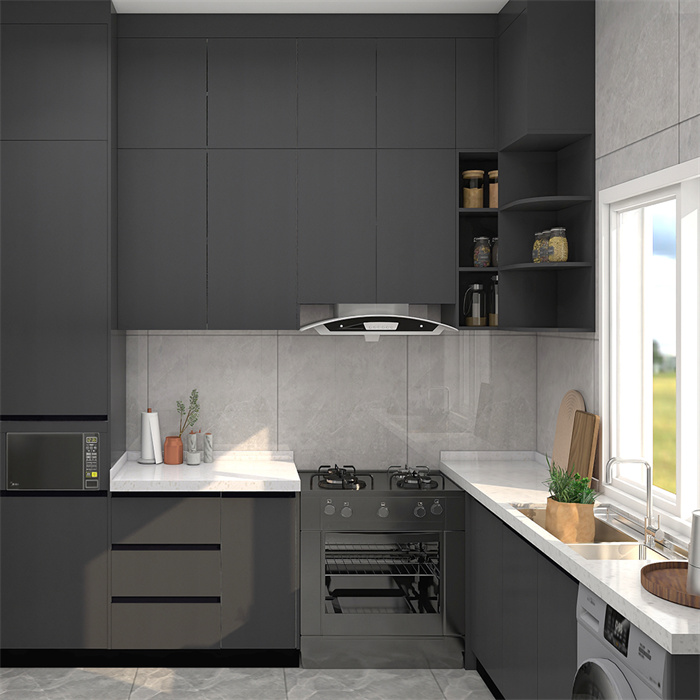
Part 4: Navigating Installation
1. DIY vs. Professional Installation
DIY: Feasible for RTA cabinets with flat-pack assembly. Requires intermediate carpentry skills, proper tools, and a helper. Risks include improper leveling and alignment.
Professional: Strongly recommended for semi-custom and custom cabinets. Installers have specialized tools and expertise to handle complex layouts, plumbing/electrical adjustments, and achieving flawless alignment. Get multiple quotes and check references.
2. The Installation Timeline
Demolition & Prep (1-2 days): Remove old cabinets, make any necessary wall/floor repairs.
Delivery & Inspection (1 day): Unpack and inspect every piece for damage or defects before installer leaves.
Installation (2-5 days): Hanging cabinets, leveling, securing.
Finishing Touches (1-2 days): Installing hardware, crown molding, toe kicks, and lighting.
Part 5: Common Pitfalls to Avoid
Prioritizing Price Over Quality: The cheapest option may cost more in repairs/replacement.
Forgetting About Appliances: Finalize your appliance models before cabinet design to ensure perfect fit.
Neglecting the Layout: An awkward corner or wasted space can't be fixed with beautiful doors.
Underestimating Lighting: Plan under-cabinet and in-cabinet lighting during the design phase for wiring.
Skipping the Sample: Always order a full-size door/drawer front sample to see the true color, grain, and finish quality in your home's lighting.
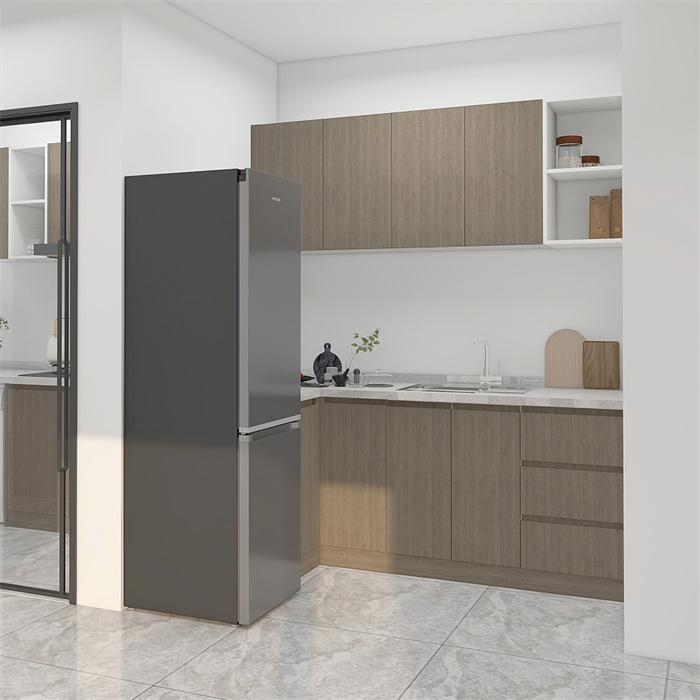
Conclusion: Your Roadmap to Success
Buying kitchen cabinets is a significant investment in time, money, and your home's value. By following this roadmap—preparing thoroughly, understanding quality markers, choosing the right supplier, and planning for proper installation—you transform a complex process into an achievable project.
Remember: The best purchase isn't just the cabinets you love today, but the ones that will function beautifully for 15-20 years. Take your time during the design phase, as changes after ordering are costly and delay your project. When in doubt, consult with a certified kitchen designer—their expertise can prevent expensive mistakes and help you maximize both your space and budget.
Final Checklist Before Ordering:
✅ Budget finalized with contingency
✅ Measurements verified by professional
✅ Appliance specs confirmed
✅ Layout optimized for workflow
✅ Material samples approved in your kitchen lighting
✅ Detailed, itemized contract reviewed
✅ Warranty and delivery terms understood
Your dream kitchen starts with the right cabinets. Happy planning
How to buy kitchen cabinets? ➡
Exclusive Interview with Homeowner ➡
Struggling to turn around in your kitchen? ➡
Is the trend towards "de-living-rooming" design catching on? ➡