Space-Saving Corner Kitchen Cabinets for Small Homes in Island Countries: Maximizing Every Inch
Space-Saving Corner Kitchen Cabinets for Small Homes in Island Countries: Maximizing Every Inch
Meta Description: Living in a small island home? Discover innovative corner cabinet solutions—like magic corners, lazy Susans, and diagonal drawers—designed to conquer tight spaces and high humidity.
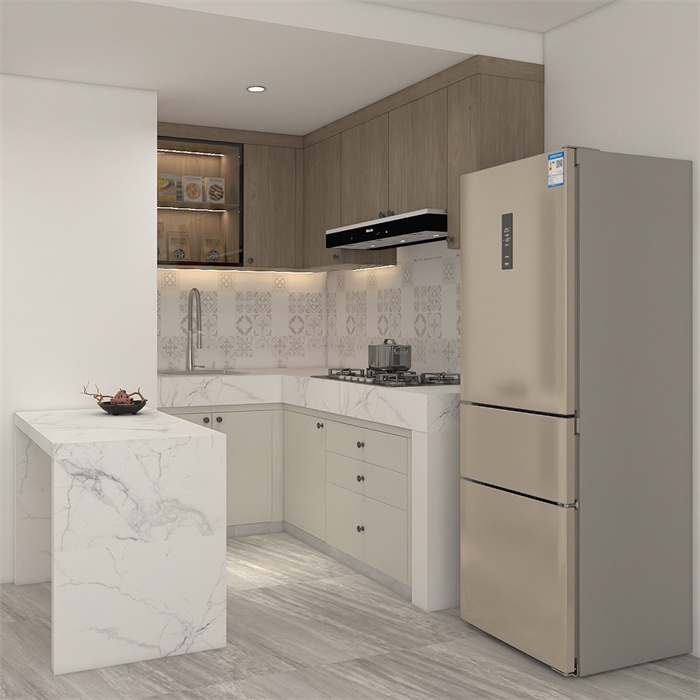
Introduction: The Small-Space Island Kitchen Challenge
In island nations where floor space is at a premium—from compact apartments in the Caribbean to traditional homes in the Pacific Islands—the kitchen often becomes the heart of the home under tight constraints. The corner, frequently a dark, underutilized void, represents both a challenge and a major opportunity. Transforming this "dead space" into efficient storage is not just about organization; in humid climates, it's also about improving ventilation and accessibility to prevent mold and waste. This guide explores intelligent corner cabinet solutions tailored for small, humid homes.
Part 1: Why Corners Are Critical in Small Island Kitchens
Ignoring the corner wastes a significant portion of your kitchen's potential storage—often 15-20%. In a small home, this lost space is unsustainable. Efficient corner solutions address core island-living needs:
Maximizing Limited Square Footage: Every cubic inch must earn its keep.
Enhancing Airflow: Properly designed corner units prevent stagnant, moist air that breeds mildew.
Improving Ergonomics: Reducing awkward stretching and bending in compact layouts.
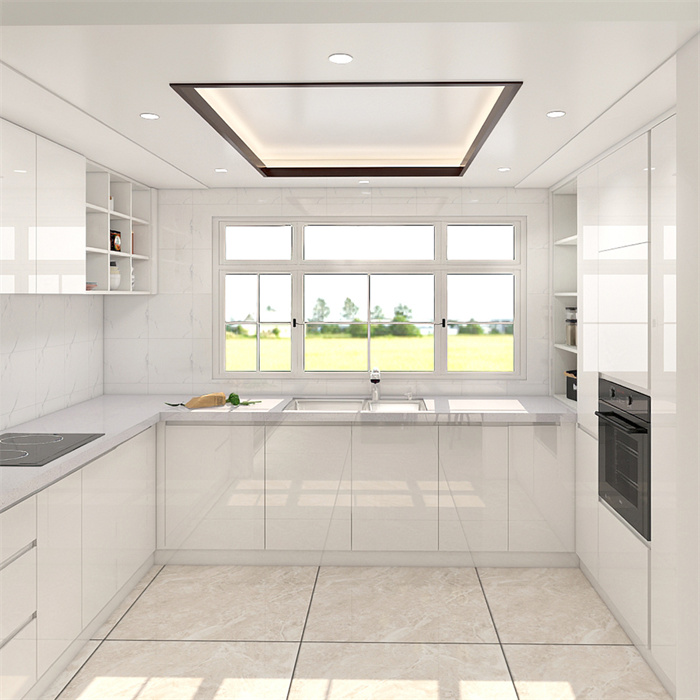
Part 2: Top 5 Corner Cabinet Solutions for Tight & Humid Climates
Choose based on your budget, kitchen layout, and storage needs.
1. The Lazy Susan (Rotating Tray)
Best for: Budget-friendly accessibility.
How it Works: A two-tiered rotating shelf system installed in a standard corner cabinet. The full-circle rotation brings every item to the front.
Tropical Adaptation: Opt for perforated shelves (acrylic or metal) to promote air circulation. Avoid solid wood trays that can warp. A smooth, sealed bearing mechanism resists humidity-induced corrosion.
2. The Magic Corner (or LeMans) Unit
Best for: Maximum storage depth and accessibility.
How it Works: This advanced system uses a sophisticated hinge mechanism that glides shelves out and forward in one smooth motion, fully exposing the deepest corner contents.
Tropical Adaptation: Specify units with stainless steel or aluminum hardware and moisture-resistant laminate or PVC-coated shelves. The mechanism must be rated for high humidity.
3. The Diagonal Drawer Cabinet
Best for: Modern aesthetics and phenomenal organization.
How it Works: A cabinet is built at a 45-degree angle across the corner, fitted with full-extension, deep drawers. This transforms the corner into the most accessible storage spot in the kitchen.
Tropical Adaptation: Use marine-grade plywood or stainless steel for drawer boxes. Integrated silicone gaskets on drawer fronts can help seal out humid air when closed.
4. The Blind Corner Pull-Out Unit
Best for: Retrieving items from the deepest recess.
How it Works: A tall, narrow unit on heavy-duty slides that pulls straight out, revealing items otherwise lost in the back. Often paired with a door-mounted basket for front-space efficiency.
Tropical Adaptation: Choose powder-coated steel wire baskets over solid shelves to maximize airflow. Ensure slides have a corrosion-resistant finish.
5. The Open Corner Shelving Unit
Best for: Creating an airy, accessible feel.
How it Works: Instead of a closed cabinet, install open triangular shelving across the corner. This eliminates doors that can stick in humidity and promotes excellent ventilation.
Tropical Adaptation: Ideal for displaying dishware used daily to prevent dust. Use teak or iroko wood (naturally weather-resistant) or stainless steel brackets with glass/metal shelves.
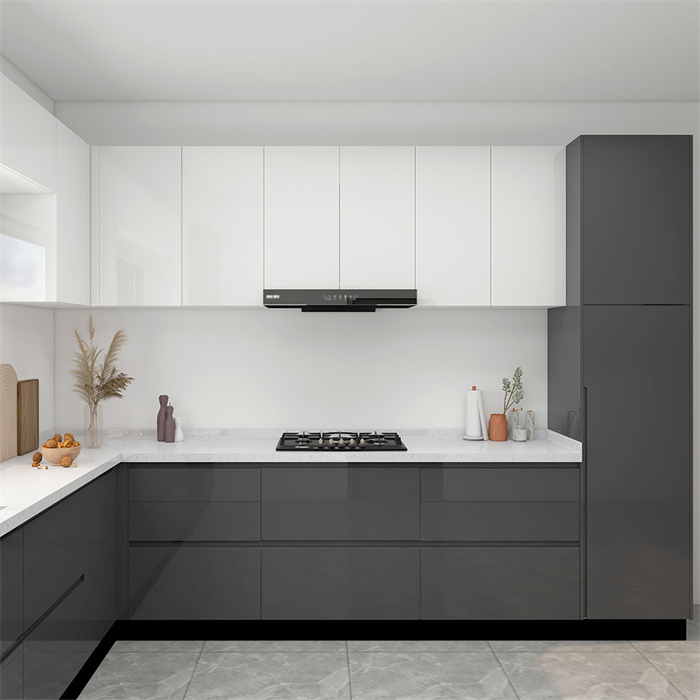
Part 3: Design & Installation Tips for Island Environments
Material Matters Most:
Carcass/Frame: Marine-grade plywood or PVC-wrapped particleboard are top choices. Avoid standard MDF.
Hardware: 304 or 316 Stainless Steel hinges, slides, and pulls are non-negotiable for salt-air environments.
Shelves: Perforated metal, wire, or slatted wood to allow air movement.
Layout Integration:
Pair a Magic Corner with a sink base cabinet for cleaning supplies.
Place a Diagonal Drawer unit near the cooktop for pots and pans.
Use a Pull-Out Unit in a pantry corner for dry goods (store in airtight containers).
Humidity-Proofing Details:
Install a small, battery-operated dehumidifier or moisture absorber (like silica gel canisters) inside the corner cabinet.
Ensure a small ventilation gap is designed into the cabinet toe kick or crown.
Avoid solid, floor-to-ceiling units in corners; an open design above or below improves overall kitchen airflow.
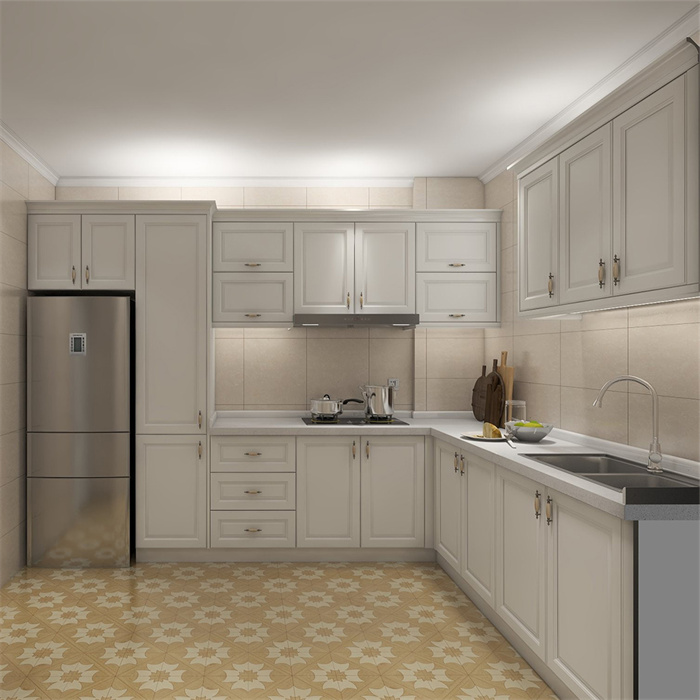
Part 4: What to Avoid in Tropical Island Corner Cabinets
❌ Standard Swing Doors on a Blind Corner: Creates completely unusable deep storage.
❌ Solid Wood Shelves in Enclosed Spaces: Will warp and promote mildew.
❌ Low-Quality Slide Mechanisms: Will rust and fail within a year.
❌ Overfilling the Corner: Cramped storage restricts airflow, creating micro-climates for mold.
Conclusion: Unlock Your Kitchen's Potential
In a small island home, your kitchen corner shouldn't be a graveyard for forgotten appliances. By selecting a mechanized, purpose-built corner solution made from climate-appropriate materials, you transform a design challenge into your most valuable storage asset.
For homeowners, start with a Lazy Susan for a cost-effective upgrade. For new builds or full renovations, investing in a Magic Corner or Diagonal Drawer system offers unparalleled daily convenience and long-term durability.
Ultimately, a well-planned corner cabinet does more than save space—it reduces frustration, improves kitchen hygiene, and makes small-space island living both efficient and enjoyable. Consult with a local kitchen designer familiar with humid climate challenges to customize the perfect solution for your home.
Pro Tip for Island Contractors: When designing kitchens for small homes, standardize on one or two corner solutions across projects. This streamulates sourcing, reduces costs, and allows you to master the installation, ensuring optimal performance for your clients in demanding coastal conditions.
How to buy kitchen cabinets? ➡
Exclusive Interview with Homeowner ➡
Struggling to turn around in your kitchen? ➡
Is the trend towards "de-living-rooming" design catching on? ➡