Space-Saving Cabinet Designs for Small Apartments in Australian Cities

27-01-2026

Space-Saving Cabinet Designs for Small Apartments in Australian Cities

Meta Description: Living in a compact Australian apartment? Discover intelligent cabinet designs that maximize every inch. From vertical storage to multi-functional islands, learn how to beat the space crunch.
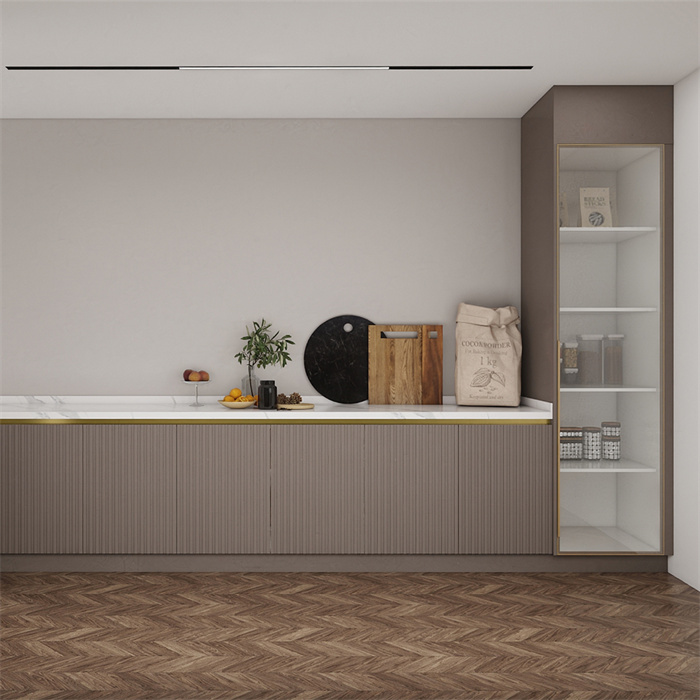

kitchen cabinet handles luxury

Introduction: The Australian Apartment Revolution

Australia’s major cities—Sydney, Melbourne, Brisbane, Perth—are experiencing an urban densification boom. With median apartment sizes shrinking (often below 50m² in inner cities), the challenge of creating a functional, uncluttered home has never been greater. In these compact spaces, conventional cabinetry is a luxury few can afford. The kitchen, living, and bedroom zones must work harder, smarter, and more cohesively. Space-saving cabinet design is no longer a niche concern; it’s an essential strategy for modern Australian urban living. This guide explores innovative cabinet solutions tailored to the unique constraints and opportunities of small Australian apartments.

Part 1: Core Principles for Small-Space Australian Apartments

Before exploring specific designs, understanding these foundational principles is critical for success in the Australian context:

  • Verticality is King: With limited floor area, the only direction to build is up. Utilising the full height from floor to ceiling (often 2.4m to 2.7m) is non-negotiable.

  • Dual-Functionality: Every piece of cabinetry should serve at least two purposes. A seat should provide storage, a room divider should house books, a bed should disappear into a wall unit.

  • Visual Lightness: To avoid a cramped, oppressive feel, cabinetry must incorporate design elements that maintain a sense of airiness—think open shelving, glass fronts, light colours, and recessed lighting.

  • Strata Compliance: Australian apartment renovations are governed by strict body corporate (strata) rules. Designs must consider load-bearing limits, shared walls, and installation methods that minimise disruption to neighbours.


Part 2: Top Space-Saving Cabinet Designs & Systems

1. The Floor-to-Ceiling Integrated Wall System

This is the most effective strategy for maximising storage without consuming precious floor space.

  • Design: A continuous run of cabinets and shelves that stretches across an entire wall, from the entry to the living area. It integrates storage for the kitchen (appliances, pantry), living (media, books, display), and office (desk, files) into a single, cohesive unit.

  • Australian Application: Perfect for open-plan studio or one-bedroom layouts common in Melbourne's Docklands or Sydney's Green Square. Using a consistent material (e.g., matte white laminate or light oak veneer) creates visual continuity, making the space feel larger.

  • Key Feature: Include a fold-down or slide-out desk that disappears when not in use, and concealed pocket doors for media centres.

2. The Multi-Functional Island on Wheels

For apartments where a fixed island is too permanent or space-consuming, a mobile island is a game-changer.

  • Design: A sturdy, narrow island unit on lockable castors. It should include deep drawers, open shelving on one end, and a durable countertop that can serve as a prep surface, breakfast bar, or servery.

  • Australian Application: Ideal for flexible living. Roll it into the kitchen for extra prep during dinner parties, use it as a buffet for entertaining on the balcony, or tuck it against a wall as a hallway console. It provides crucial additional storage and surface area without a permanent footprint.

  • Key Feature: Incorporate power outlets for appliance use and towel rails on the side.

3. Smart Kitchen Specifics: The "Apartment-Scale" Kitchen

Kitchen cabinetry must be hyper-efficient.

  • Tall, Slim Pull-Out Pantry: Replaces bulky cupboards. A unit as narrow as 300mm can house an incredible amount of dry goods on adjustable pull-out shelves.

  • Appliance Garages with Roller Shutters: Built-in niches with power for the kettle, toaster, and coffee machine, concealed behind a sleek tambour door to clear benchtops instantly.

  • Under-Sink Wizardry: Custom drawers and pull-outs that navigate around plumbing to store cleaning supplies, bins, and more.

  • Over-Fridge & Over-Cabinet Storage: Cabinets that extend over the refrigerator and right to the ceiling to store rarely-used items.

4. The Transformative Bedroom Wall

In bedrooms where space barely fits a bed, the cabinetry becomes the bed.

  • Murphy/Wall Bed with Integrated Cabinetry: Modern Murphy beds are a far cry from clunky fold-downs. The best systems feature a bed that folds up into a handsome cabinet unit, which itself contains shelving, a wardrobe, or even a fold-out desk.

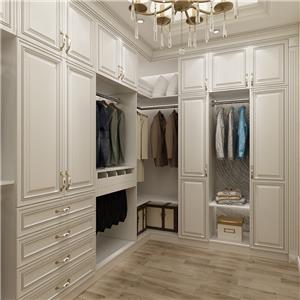
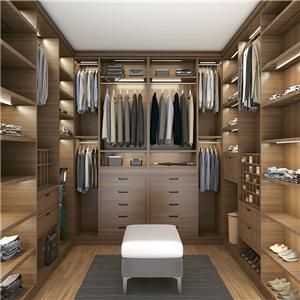
  • High-Level Robes: Utilise the space above standard wardrobe height (2.1m) for deep shelves accessed by a stylish library ladder. The robe carcass reaches the ceiling.

  • Bedside Cabinets as Vertical Towers: Replace small side tables with tall, narrow units that provide bedside surface plus extensive shelving or drawer storage up the wall.
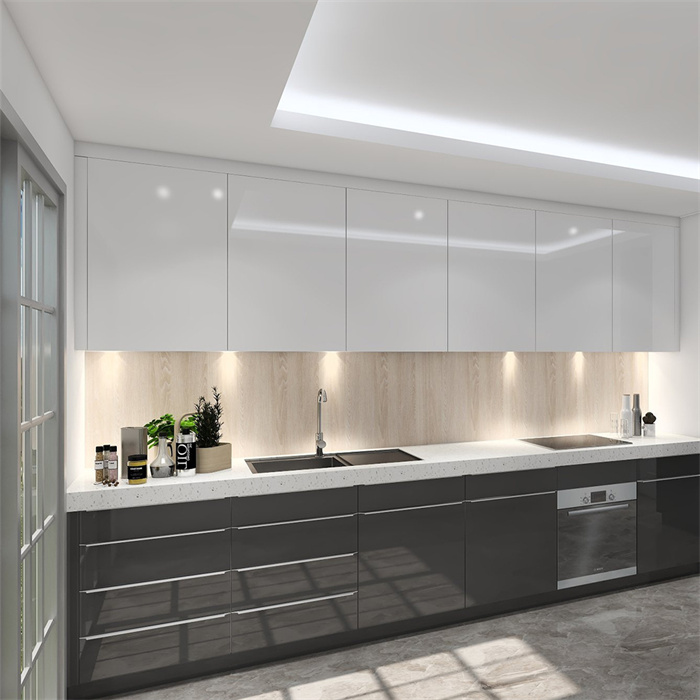
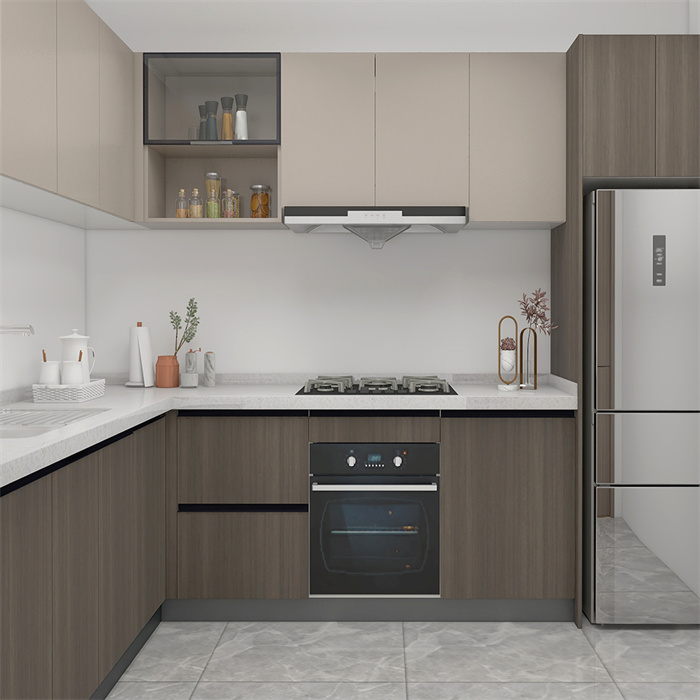
cozinha completa modular kitchen cabinets

Part 2: Top Space-Saving Cabinet Designs & Systems

1. The Floor-to-Ceiling Integrated Wall System

This is the most effective strategy for maximising storage without consuming precious floor space.

  • Design: A continuous run of cabinets and shelves that stretches across an entire wall, from the entry to the living area. It integrates storage for the kitchen (appliances, pantry), living (media, books, display), and office (desk, files) into a single, cohesive unit.

  • Australian Application: Perfect for open-plan studio or one-bedroom layouts common in Melbourne's Docklands or Sydney's Green Square. Using a consistent material (e.g., matte white laminate or light oak veneer) creates visual continuity, making the space feel larger.

  • Key Feature: Include a fold-down or slide-out desk that disappears when not in use, and concealed pocket doors for media centres.

2. The Multi-Functional Island on Wheels

For apartments where a fixed island is too permanent or space-consuming, a mobile island is a game-changer.

  • Design: A sturdy, narrow island unit on lockable castors. It should include deep drawers, open shelving on one end, and a durable countertop that can serve as a prep surface, breakfast bar, or servery.

  • Australian Application: Ideal for flexible living. Roll it into the kitchen for extra prep during dinner parties, use it as a buffet for entertaining on the balcony, or tuck it against a wall as a hallway console. It provides crucial additional storage and surface area without a permanent footprint.

  • Key Feature: Incorporate power outlets for appliance use and towel rails on the side.

3. Smart Kitchen Specifics: The "Apartment-Scale" Kitchen

Kitchen cabinetry must be hyper-efficient.

  • Tall, Slim Pull-Out Pantry: Replaces bulky cupboards. A unit as narrow as 300mm can house an incredible amount of dry goods on adjustable pull-out shelves.

  • Appliance Garages with Roller Shutters: Built-in niches with power for the kettle, toaster, and coffee machine, concealed behind a sleek tambour door to clear benchtops instantly.

  • Under-Sink Wizardry: Custom drawers and pull-outs that navigate around plumbing to store cleaning supplies, bins, and more.

  • Over-Fridge & Over-Cabinet Storage: Cabinets that extend over the refrigerator and right to the ceiling to store rarely-used items.

4. The Transformative Bedroom Wall

In bedrooms where space barely fits a bed, the cabinetry becomes the bed.

  • Murphy/Wall Bed with Integrated Cabinetry: Modern Murphy beds are a far cry from clunky fold-downs. The best systems feature a bed that folds up into a handsome cabinet unit, which itself contains shelving, a wardrobe, or even a fold-out desk.

  • High-Level Robes: Utilise the space above standard wardrobe height (2.1m) for deep shelves accessed by a stylish library ladder. The robe carcass reaches the ceiling.

  • Bedside Cabinets as Vertical Towers: Replace small side tables with tall, narrow units that provide bedside surface plus extensive shelving or drawer storage up the wall.

Part 3: Australian-Material & Compliance Considerations

Choosing the right materials is crucial for durability, aesthetics, and meeting local standards.

  • Materials for Light & Space:

    • Laminates: Opt for light, low-sheen finishes (whites, light greys, pale timber looks) from trusted Australian suppliers like Laminex or Polytec. Matte finishes hide fingerprints and reflect light softly.

    • Glass & Mirrors: Used strategically in cabinet fronts or as backsplashes, they dramatically enhance the feeling of space and light.

    • Substrate: Moisture-resistant MR-MDF or plywood is essential for durability in our variable climate, especially in kitchens.

  • Hardware is Everything: In space-saving designs, hardware performs the magic. Invest in premium, soft-close full-extension drawer runners, heavy-duty hinges, and smooth pocket-door systems. Australian brands like Hettich or Blum are reliable.

  • Professional Design & Certification: Always engage a certified kitchen designer or interior architect familiar with the Building Code of Australia (BCA) and apartment regulations. They can ensure designs are structurally sound, comply with ventilation and fire safety rules, and are optimised for your specific building.

kitchen cabinets & accessoriescocinas

Part 4: What to Avoid in Your Small Australian Apartment

  • ❌ Deep Overheads: Cabinets deeper than 300mm above eye-level create a tunnelling effect and are hard to access.

  • ❌ Bulky Cornices & Heavy Skirting: Keep joinery profiles simple and flush where possible to maintain clean lines.

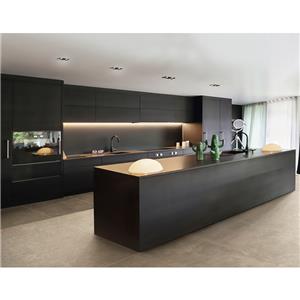
  • ❌ Dark, Glossy Finishes on Large Surfaces: They show every mark and make spaces feel smaller and darker.

  • ❌ Sacrificing Quality for Price: In a small space, every cabinet is high-use. Cheap materials and hardware will fail quickly, costing more in the long run.

Conclusion: Redefining Compact Living

In Australian cities, a small apartment is not a limitation but an opportunity for intelligent, refined design. Space-saving cabinetry is the engine of this transformation. By embracing integrated wall systems, mobile units, and hyper-efficient storage—all executed with light-enhancing materials and professional expertise—you can create a home that feels expansive, organised, and deeply personalised.

The goal is not just to fit your life into a small space, but to design a space that elevates your life. Investing in thoughtful, customised cabinetry is the most direct way to achieve this, adding daily convenience and significant value to your urban Australian home.

Actionable First Step: Measure your apartment and create a simple floor plan. Note where pain points are (no pantry, cramped bedroom, no dining area). Then, consult with a designer who can show you how integrated cabinetry can solve multiple problems with a single, beautiful solution. Your smaller space is ready to become your smarter home.


How to buy kitchen cabinets? ➡

Exclusive Interview with Homeowner 

Struggling to turn around in your kitchen? 

Is the trend towards "de-living-rooming" design catching on? 

Get the latest price? We'll respond as soon as possible(within 12 hours)

Privacy policy